
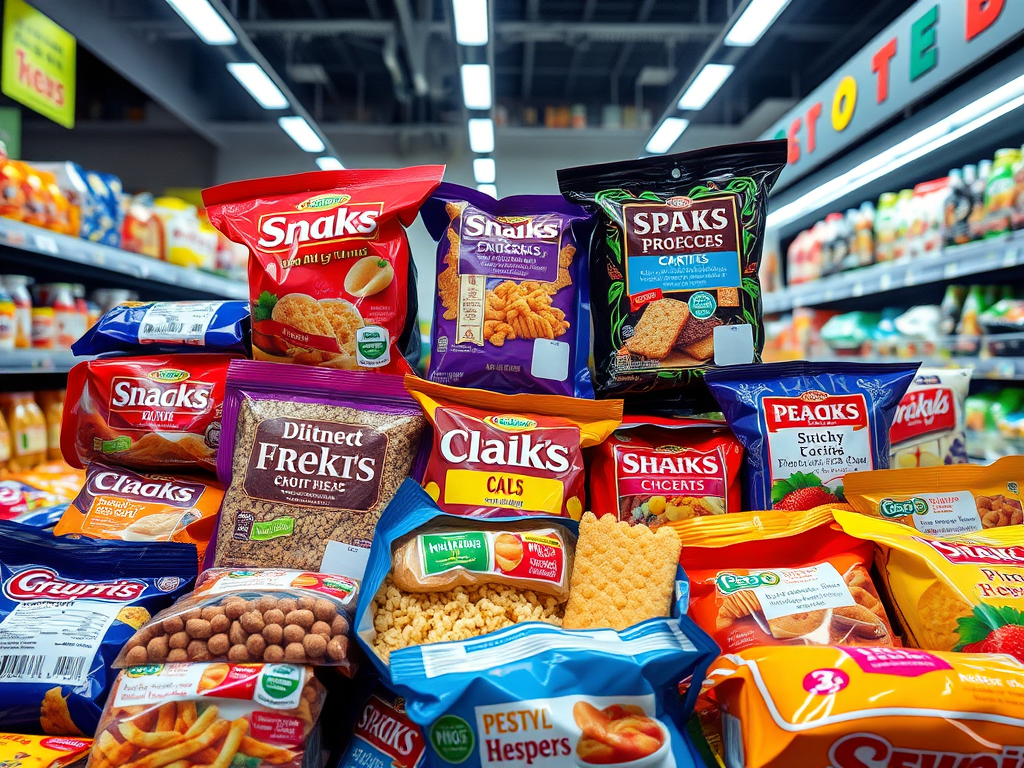
We live in a world where convenience reigns supreme. A snack bar, microwave meal, or flavored yogurt is often just an arm’s reach away. Many of these products have appealing packaging and promise to be “healthy,” “fortified,” or “organic.” Yet, they fall into a category known as ultra-processed foods (UPFs).
Cooking from scratch isn’t just a way to prepare meals—it’s a way of life that offers endless rewards. By making my own food, I effortlessly dodge allergens and customize dishes to suit every guest’s taste. I also save a significant amount of money by avoiding the costs of dining out and ordering take-away. The real magic of making food yourself lies in avoiding what is not consumed. Every homemade meal helps me steer clear of ultra-processed foods. This ensures that I nourish my body with wholesome, real ingredients.
In this post, I’ll break down the nutritional science behind UPFs. I will explain how they impact health. I will also discuss why doctors—and anyone who cares about good food—should be paying attention.
What Are Ultra-Processed Foods?
The term “ultra-processed food” comes from the NOVA food classification system, which categorizes foods based on their degree of processing.
🔹Nova Group 1: Unprocessed or minimally processed: Fresh fruits, vegetables, meat, eggs, milk, whole grains.
🔹Nova Group 2: Processed culinary ingredients: Oils, butter, salt, honey.
🔹 Nova Group 3: Processed foods: Cheese, canned vegetables, fresh bread, cured meats.
🔹 Nova Group 4: Ultraprocessed foods (UPFs): Industrial formulations with little or no whole food components—loaded with artificial flavors, preservatives, emulsifiers, and other additives (Monteiro 2010).

The Nova framework for classifying edible substances was developed in Brazil by Carlos Monteiro at the University of Sao Paolo. Monteiro started doing nutrional research in the 70’s on malnutrition reflecting Brazil’s key nutritional concerns at the time. However, by the mid-1990s, he noticed a dramatic shift. Whilst wealthier areas saw falling obesity rates, economically disadvantaged communities experienced a surge. This contrast drove him to analyze Brazil’s dietary habits as whole patterns rather than isolated nutrients. Using statistical methods, Monteiro identified two clear eating styles. One was built around traditional staples like rice and beans. The other was dominated by highly processed foods. (Monteiro 2009)
Examples of UPFs include:
✅ Flavored breakfast cereals
✅ Instant noodles
✅ Packaged snacks (chips, cookies, protein bars)
✅ Processed meats (hot dogs, nuggets)
✅ Sodas and sweetened beverages
Many UPFs contain ingredients not found in a home kitchen—such as hydrolyzed proteins, hydrogenated oils, artificial sweeteners, and maltodextrin—which are used to improve texture, taste, and shelf life (Van Tulleken 2023)
‘Big Food’ and the Rise of Ultra-Processed Foods

Ultra-processed foods are typically made from substances extracted from foods, derived from food constituents, or synthesized in laboratories. Often, they contain little or no whole food. Major multinational food companies, such as Kraft, Nabisco, Nestlé, PepsiCo, and Kellogg’s, deliberately strategize to ensure the widespread availability of these products. These companies have significantly reshaped the global food environment. They develop and aggressively market shelf-stable, hyper-palatable products. These products are designed to make you eat faster and eat more, hence maximizing profitability.
Similar to the tobacco industry, a substantial investment in food science and consumer behavior research has enabled these Big Food companies to optimize product formulations. One notable aspect of this research is the identification of the “bliss point”. This is an ideal combination of sugar, salt, and fat. This combination is designed to encourage repeat consumption (Moss 2014). In addition, marketing claims use buzz words like “healthy,” “low-fat,” “sugar-free” and “high-protein.” These phrases are frequently employed to imply nutritional benefits. They are used even when the products are extensively processed.
The increasing reliance on ultra-processed foods contributes to a more homogenized global diet. Epidemiological studies have linked it to rising rates of obesity, metabolic disorders, and other related health issues. As a consequence, public health experts and nutrition researchers have called for increased scrutiny and regulation of these products. They also seek enhanced public awareness regarding the potential health implications of consuming a diet high in ultra-processed foods.
How Ultra-Processed Foods Become Hyperpalatable and Get Us Hooked
One reason UPFs are so widely consumed is that they are scientifically engineered to be irresistible—a phenomenon known as hyperpalatability.
Hyperpalatable foods combine three key elements:
✔ High fat (creates mouthfeel and indulgence)
✔ High sugar or refined carbohydrates (activates reward centers in the brain)
✔ High salt and artificial flavor enhancers (amplifies taste and stimulates cravings)
These foods override normal satiety signals, making it harder to stop eating them ( Schulte 2015, Hall 2019 ).
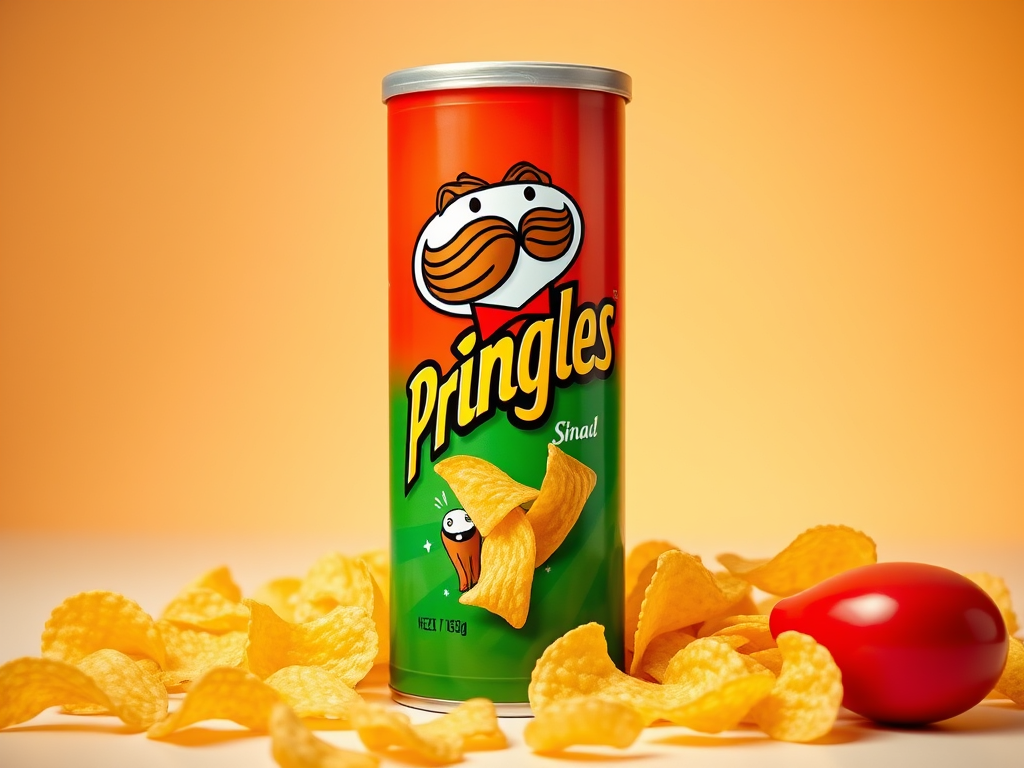
🍟 Pringles: “Once You Pop, You Can’t Stop”
Pringles and other extruded potato chips are not just potatoes and salt—they are engineered for addictive crunch and melt-in-your-mouth texture (Gold 2014)
- Modified starch creates an ultra-light, crisp texture.
- Maltodextrin enhances the rapid absorption of refined carbs, giving an instant dopamine hit.
- Monosodium glutamate (MSG) and artificial flavors amplify the savory umami taste.
- Fat-sugar-salt ratio is precisely optimized to be as crave-inducing as possible.
This is why one Pringle often turns into an entire can!

🍬 Gummy Bears: The Perfect Sugar Delivery System
Gummy bears are not just a fun candy—they’re designed to keep you coming back for more. (Gearhardt 2022)
- High-fructose corn syrup (HFCS) and glucose syrup spike blood sugar rapidly, triggering an immediate energy boost and craving cycle.
- Gelatin and emulsifiers create a chewy, satisfying texture that encourages slow consumption—keeping the sweetness in the mouth longer.
- Citric acid and artificial fruit flavors add a tangy “kick”, making them more stimulating and harder to resist.
Unlike natural fruit, which contains fiber to slow sugar absorption, gummy bears flood the bloodstream with sugar. This causes cravings, energy crashes, and encourages over-consumption.
The Hidden Danger of “Health Halos”
A health halo occurs when a food is marketed as “healthy” but is still an ultra-processed product. The health halo is a marketing tactic that makes a food product appear healthier than it is. Many people then purchase and consume these foods under the false belief that they are nutritious. It’s based on the cognitive bias called the halo effect, where people perceive something positively based on a single trait.

🚩Examples of Health Halos in UPFs:
🔸 Organic granola bars – May contain organic oats but are often loaded with refined sugars, syrups, and emulsifiers.
🔸 Protein bars – Marketed as a “healthy snack,” but many have the same sugar content as a candy bar.
🔸 Plant-based meat substitutes – They provide a meat-free alternative. However, they often contain hydrolyzed proteins, artificial flavorings, and industrial oils.
🔸 Vitamin-fortified cereals – They might contain added iron or B vitamins. However, they are still highly processed with refined grains and sugar.
💡 Key takeaway: Just because a product has buzzwords like “organic,” “low-fat,” “high-protein,” or “plant-based” doesn’t mean it’s unprocessed. It also doesn’t mean it’s healthy.
How Ultra-Processed Foods Affect the Gut Microbiome
The gut microbiome plays a crucial role in digestion, immune function, and even mental health. However, UPFs can negatively impact gut health in several ways (Brichacek 2024)
1. Artificial Sweeteners and Emulsifiers Disrupt Gut Bacteria
- 🚫 Artificial sweeteners (e.g., aspartame, sucralose) alter microbial diversity and promote dysbiosis, which is linked to metabolic disease and inflammation (Zhou 2023)
- 🚫 Emulsifiers (e.g., polysorbate 80, carboxymethylcellulose) damage the intestinal barrier, increasing gut permeability (aka “leaky gut”) and contributing to inflammatory diseases (Zhou 2023)
2. Lack of Fiber Starves Beneficial Gut Bacteria
Whole foods provide prebiotic fiber, which feeds good gut bacteria. In contrast, most UPFs lack fiber, leading to a decline in beneficial gut microbes and an increase in harmful bacteria. (Sonnenberg 2014)
3. Chronic Inflammation and Immune Dysregulation
🚫 Diets high in UPFs promote low-grade chronic inflammation, which is linked to obesity, autoimmune diseases, and even depression (Tristan Arseni 2023, Fernández-Barrès 2023)
Real food = A thriving gut microbiome. Replacing UPFs with whole, fiber-rich foods like vegetables, nuts, and fermented foods can restore gut health and reduce inflammation.
Practical Tips for Reducing UPFs
1️⃣ Cook More at Home 🏡
- Making meals from scratch reduces reliance on UPFs and ensures control over ingredients.
2️⃣ Read Ingredient Labels 🧐
- If the first few ingredients are sugar, refined flour, or hydrogenated oils, it’s a red flag.
- Be wary of anything with more than 10 ingredients
- If the list contains ingredients that you would never find in a home kitchen, its likely to be a UPF
3️⃣ Opt for Whole, Single-Ingredient Foods 🌱
- Fresh fruits, vegetables, lean proteins, and whole grains should make up most of the diet.
4️⃣ Be Wary of “Health Halos”
- Many so-called “healthy” snacks and meal replacements are still UPFs in disguise.
Final Thoughts: My Personal Journey Away from UPFs
The more I learned about ultra-processed foods, the more I started recognizing them in my own pantry. It was an eye-opener. I am a busy mum who loves cooking. At the same time, I value convenience. I realized just how easy it was to rely on prepackaged “healthy” snacks, store-bought sauces, and so-called “healthy” breakfast cereals. One of my best friends used to share an office with me. She once crowned me the “Snack Queen”. I wore this title with pride. My desk drawer was a mini convenience store. It was fully stocked with sweet and salty treats. This setup ensured maximum munching efficiency during work hours. Honestly, I could host afternoon tea in my office on short notice. I would be ready for anybody dropping in for a chat.
After learning about UPFs, I realized their sneaky infiltration into our daily lives and eating habits. They are like uninvited guests who never leave. I was determined to kick them out. I spent an afternoon doing a full Marie Kondo on my pantry. I ruthlessly tossed out anything ultra-processed even if they had, in the past, regrettably sparked a little too much joy.
Now when I am at the supermarket, I stick to the fresh produce and meats aisles. I still buy canned beans, tomatoes and frozen fruits and vegetables as these are minimally processed. The canning or freezing removes the need for chemical preservatives.
🍞 Bread: I swapped supermarket bread—often filled with emulsifiers and preservatives—for homemade sourdough. Not only does it taste better, but it’s also gut-friendly and naturally fermented.
🍛 Sauces and seasonings: I now make my own stir-fry sauces using my Thermomix. Store-bought sauces often contain sugar, thickeners, and artificial flavors. They’re easy to make, and can be made in bulk to store or freeze.
🍪 Snacks and breakfast cereals: I used to keep protein bars and “healthy” granola bars in my bag for convenience. Now, I reach for a handful of nuts, seeded crackers, or a Greek yogurt with fruit. This provides a quick energy boost without the additives. Try my homemade granola-recipe.
🥤 Dairy: I no longer buy flavored yogurt or margarine—most are filled with gums, stabilizers, and sugar. Instead, I stick to plain Greek yogurt and enjoy using small amounts of butter when I bake.
Less than two weeks after we cleared out UPFs from our home, Something funny happened. My husband and I no longer craved UPFs. Suddenly, walking past a corner shop felt like strolling through a science experiment gone wrong. The lineup of brightly packaged artificial “food-like” substances that once tempted us now seemed oddly unappetizing. It was as though we had woken up from a marketing trance. Over time, I noticed better digestion, fewer energy crashes, and less reliance on constant snacking.
****I challenge you to try going off UPFs for a week and see what happens***
I’d love to hear from you—have you noticed how UPFs creep into your daily meals? What small changes have you made to cut them out?
Share your thoughts in the comments!
References
- Monteiro, C. A., Levy, R. B., Claro, R. M., Castro, I. R., & Cannon, G. (2010). A new classification of foods based on the extent and purpose of their processing. Cadernos de saude publica, 26(11), 2039–2049.
- Monteiro C. A. (2009). Nutrition and health. The issue is not food, nor nutrients, so much as processing. Public health nutrition, 12(5), 729–731
- Van Tulleken, Chris. Ultra-processed people: why do we all eat stuff that isn’t food… and why can’t we stop?. Random House, 2023.
- Moss, M. (2014). The extraordinary science of addictive junk food. In Expanding addiction: Critical essays (pp. 127-140). Routledge
- Schulte, E. M., Avena, N. M., & Gearhardt, A. N. (2015). Which foods may be addictive? The roles of processing, fat content, and glycemic load. PloS one, 10(2), e0117959
- Hall, K. D., Ayuketah, A., Brychta, R., Cai, H., Cassimatis, T., Chen, K. Y., Chung, S. T., Costa, E., Courville, A., Darcey, V., Fletcher, L. A., Forde, C. G., Gharib, A. M., Guo, J., Howard, R., Joseph, P. V., McGehee, S., Ouwerkerk, R., Raisinger, K., Rozga, I., … Zhou, M. (2019). Ultra-Processed Diets Cause Excess Calorie Intake and Weight Gain: An Inpatient Randomized Controlled Trial of Ad Libitum Food Intake. Cell metabolism, 30(1), 67–77.e3. https://doi.org/10.1016/j.cmet.2019.05.008
- Gold, J. A., Teitelbaum, K. A., & Gold, M. S. (2014). Food addiction: Sugar high. In M. S. Ascher & P. Levounis (Eds.), The Behavioral Addictions: Criteria, Evidence, and Treatment (pp. 43–52). American Psychiatric Publishing.
- Gearhardt, A. N., & DiFeliceantonio, A. G. (2023). Highly processed foods can be considered addictive substances based on established scientific criteria. Addiction (Abingdon, England), 118(4), 589–598
- Brichacek, A. L., Florkowski, M., Abiona, E., & Frank, K. M. (2024). Ultra-Processed Foods: A Narrative Review of the Impact on the Human Gut Microbiome and Variations in Classification Methods. Nutrients, 16(11), 1738
- Zhou, X., Qiao, K., Wu, H., & Zhang, Y. (2023). The Impact of Food Additives on the Abundance and Composition of Gut Microbiota. Molecules (Basel, Switzerland), 28(2), 631.
- Sonnenburg, E. D., & Sonnenburg, J. L. (2014). Starving our microbial self: the deleterious consequences of a diet deficient in microbiota-accessible carbohydrates. Cell metabolism, 20(5), 779–786
- Tristan Asensi, Marta et al. “Low-Grade Inflammation and Ultra-Processed Foods Consumption: A Review.” Nutrients vol. 15,6 1546. 22 Mar. 2023
- Fernández-Barrès, S., Cimpean, A., Arnoriaga-Rodríguez, M., Puig, J., Biarnés, C., Motger-Albertí, A., Cano, M., & Fernández-Real, J. M. (2023). Consumption of ultra-processed foods is associated with depression, mesocorticolimbic volume, and inflammation. Journal of affective disorders, 335, 340–348.
 Weng's Culinary Adventures
Leave a comment