
Beans: Your Gut’s Best Friend (But Maybe Not Your Family’s… Yet) 🌱😂
Beans, pulses, and legumes are like the superheroes of gut health—packed with fiber, prebiotics, and plant-based protein. They keep your digestion smooth, your microbiome happy, and your gut bacteria throwing a party. 🎉 But every time I try to preach the gospel of beans, I hit some classic roadblocks:
❌ “My husband/kids won’t eat beans!”
❌ “Beans give me gas!”
❌ “I have no idea how to cook beans!”
Look, I get it. If your stomach isn’t used to beans, going from zero to hummus in a day will absolutely cause some turbulence. 💨 The trick? Start slow. Your gut bacteria need time to adjust, and soaking or sprouting beans can help reduce bloating.
Also, sneak those beans in like a stealthy chef! Purée them into sauces, mix them into ground meat, or throw them into a dish with so much flavor that no one notices. And if you think beans are boring, it’s time to explore some next-level recipes. Trust me, there’s a whole world of bean revolution happening out there. ✨
Beans are cheap, versatile, and nutritious. If they can replace some of the animal-based proteins in our diet, eating beans will help save the planet.🌱💪🌍 In my household, I call them magic beans. They help lower cholesterol, help you lose weight, improve you gut microbiome and they’re easy to cook.
Let’s explore the different types of beans, pulses, and legumes. I want to share how I slowly integrated them into my family’s diet for a healthier gut!
🌱 Beans, Pulses, and Legumes: What’s the Difference?
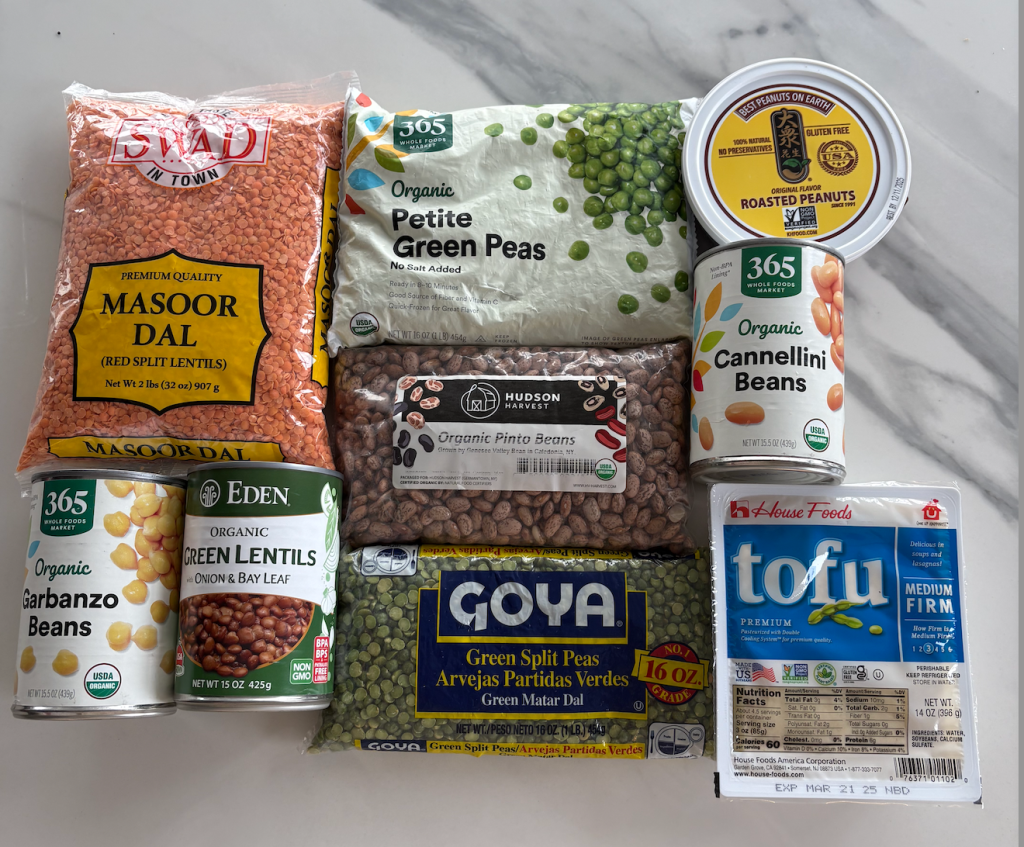
These terms are often used interchangeably, but there are some key distinctions:
✔ Legumes 🌿 – A broad category that includes all plants from the Fabaceae family, which produce seeds inside pods.
✔ Pulses – The edible seeds of legumes, including beans, lentils, chickpeas, and peas.
✔ Beans 🫘 – A subgroup of pulses, referring to varieties like black beans, kidney beans, and cannellini beans.

Common Beans, Pulses, and Legumes
🥣 Beans – Black beans, kidney beans, pinto beans, navy beans, cannellini beans, adzuki beans.
🍲 Lentils – Green, red, brown, Puy, and black lentils.
🌰 Chickpeas (Garbanzo Beans) – Used in hummus, curries, and salads.
🥗 Peas – Green peas, split peas, and black-eyed peas.
🌿 Soybeans – Edamame, tofu, tempeh, and miso.
These foods are rich in fiber, resistant starch, and polyphenols, making them ideal for gut microbiome health.
How to Add Beans to Your Diet for a Stronger Gut—Without the Bloat!
1️⃣ Start Small to Avoid Digestive Discomfort
If you’re not used to eating beans, introduce them gradually. Start with 1-2 tablespoons per meal and increase over time.
✅ Best beginner beans: Lentils, mung beans, black-eyed peas – they’re easier to digest.
✅ Avoid large portions at first – Too many beans too soon can cause bloating.
2️⃣ Soak & Cook Beans Properly
Soaking and cooking beans reduces phytic acid and oligosaccharides, which can cause bloating.
🛁 Soaking Method:
- Soak dried beans overnight (8-12 hours).
- Rinse well before cooking.
- Use fresh water to cook.
🔥 Cooking Methods:
- Pressure cook – Reduces gas-producing compounds.
- Slow cook – Improves digestibility and flavor.
- Rinse canned beans – Removes excess sodium and oligosaccharides.
3️⃣ Combine Beans with Gut-Friendly Foods
Pairing beans with digestive-friendly ingredients helps minimize bloating and supports gut bacteria.
🌿 Good pairings:
- Fermented foods (kimchi, miso, yogurt) – Add probiotics for better digestion.
- Herbs & spices (ginger, cumin, fennel) – Reduce bloating and enhance flavor.
- Healthy fats (olive oil, avocado) – Improve nutrient absorption.
4️⃣ Sneak Beans into Familiar Foods
Beans don’t really have much taste so you can easily incorporate them into dishes you already enjoy:
- 🥣 Soups, Curries & Stews – Add lentils or chickpeas for extra fiber. You can blend it in to hide it or keep it whole for texture. Indian dahls are great for meal prepping as they freeze well.
- 🥪 Spreads & Dips – Try hummus, black bean dip, or white bean puree. These are so easy to make at home if you have a blender, food processor or a Thermomix
- 🍝 Sauces & Pasta – Blend beans into pasta or other sauces instead of using a thickener. Helps to give sauces a creamier texture.
- 🍞 Baking – Use chickpea or black bean flour in baking recipes. Black bean brownies are really having a moment.
- 🫘Sprinkles & Toppings – Use roasted lentils, edamame or my favourite crispy chickpea sprinkles as a garnish making your dishes look beautiful whilst giving it a microbiome boost
5️⃣ Increase Variety & Portion Sizes Gradually
Once your gut adjusts to small portions, start increasing your intake and rotating different types of beans and pulses.
🌈 Diversity is key! Rotate between:
- ✔ Lentils – Great for quick-cooking, hearty meals.
- ✔ Chickpeas – Versatile for salads, curries, and baking.
- ✔ Black beans – Excellent for tacos, soups, and burgers, breakfast burritos and chocolate brownies
- ✔ White beans (Cannellini, Navy beans) – Creamy and mild, perfect for purees and casseroles.
Aim for at least ½ cup per serving, 3-4 times per week for maximum gut health benefits.
Whilst many people have heard of beans in the context of a Mediterranean Diet (Sardinian 3-Bean Minestrone, Tuscan Kale and White Bean Soup), did you know that legumes are an integral part of Asian diets too?
How to Incorporate Beans into an Asian or Chinese Diet 🫘🥢
Beans, pulses, and legumes are deeply rooted in Asian cuisine, from silky tofu in China to mung bean desserts in Southeast Asia. However, if you’re looking to boost your gut health by adding more fiber-rich whole beans to your meals, there are many easy and delicious ways to do it without disrupting the flavors and traditions of Chinese or other Asian cooking.
Let’s explore how to seamlessly add beans to your Asian diet—from savory stir-fries to comforting soups and even desserts! 🍜✨
🫘 Beans & Legumes in Traditional Asian Cuisine
Asian cuisines already include many beans and legumes, but they are often consumed in fermented, blended, or sprouted forms. Here’s a quick look at commonly used beans in Chinese and Asian cooking:
🌱 Soybeans – The foundation of tofu, soy milk, miso, and tempeh. Make your own soymilk at home and save $$$
🌰 Mung Beans – Used in soups, desserts, and savory pancakes.
🍲 Red Adzuki Beans – Common in sweet soups, steamed buns, and mooncakes.
🍜 Black Beans – Fermented black beans add depth to stir-fries and braised dishes.
🥣 Lentils & Peas – Found in Indian dhals, Southeast Asian curries, and street food snacks.
🌿 How to Add More Whole Beans to An Asian Diet
1️⃣ Boost Your Soups & Congees 🍲
Chinese cuisine is full of nourishing broths, and beans can add texture, flavor, and nutrition.
- ✅ Mung Beans in Porridge (绿豆粥) – Swap out some rice for mung beans in congee for added fiber.
- ✅ Red Bean Soup (红豆汤) – A classic sweet soup that doubles as a gut-friendly dessert.
- ✅ Lotus Root & Peanut Soup (莲藕花生汤) – Add kidney beans or black beans for an extra fiber boost.
- ✅ Slow-Cooked Bone Broth with White Beans – Perfect for deep nourishment and digestive health.
📌 Tip: Use a pressure cooker or slow cooker to soften beans into creamy, melt-in-your-mouth textures that blend beautifully into soups.
2️⃣ Stir-Fry Beans for a Savory Twist 🍳
Stir-frying beans with aromatics like garlic, ginger, and soy sauce makes them flavorful and satisfying.
🔥 Easy Bean-Based Stir-Fries:
- 🥢 String Beans with Fermented Black Beans (干煸四季豆) – Add extra cannellini or navy beans for a heartier version.
- 🥢 Stir-Fried Tofu & Black Beans – A protein-packed meal with fermented black bean sauce.
- 🥢 Tandoori Chickpeas – A twist on an Indian classic – chicken optional!
- 🥢 Mushroom & Lentil Stir-Fry – A great meaty alternative for dumpling fillings!
📌 Tip: If using canned beans, rinse them well before stir-frying to remove excess sodium and improve texture.
3️⃣ Add Beans to Rice & Noodles 🍚🍜
Beans pair beautifully with rice and noodles, adding extra protein and fiber.
- 🍚 Adzuki Bean Rice (红豆饭) – A traditional Japanese & Chinese dish where adzuki beans are cooked with rice for a nutty, slightly sweet flavor.
- 🍜 Miso Lentil Ramen – A gut-friendly take on ramen using cooked lentils for an umami boost.
- 🍚 Black Bean & Brown Rice Pilaf – A nutritious alternative to plain rice.
- 🍜 Soba Noodles with Chickpeas & Sesame Dressing – A protein-rich twist on cold noodle salads.
📌 Tip: Mix cooked beans into fried rice or noodle stir-fries for extra texture and nutrients!
4️⃣ Use Beans in Dumplings & Buns 🥟
If you love dumplings, baos, or dim sum, beans make a fantastic high-fiber filling!
- 🥟 Lentil & Mushroom Dumplings – A great vegetarian alternative to pork dumplings.
- 🥟 Chickpea & Tofu Baozi – Stuffed steamed buns with a rich, umami bean-based filling.
- 🥟 Sweet Red Bean Buns – A classic dim sum dessert with a smooth red bean paste filling.
📌 Tip: Puree cooked beans with soy sauce, sesame oil, and five-spice powder for an ultra-flavorful dumpling filling.
5️⃣ Enjoy Beans in Traditional Desserts 🍡
Beans are naturally sweet, making them perfect for Asian desserts.
- 🍵 Red Bean Mochi – Chewy, soft, and filled with lightly sweetened adzuki bean paste.
- 🍧 Mung Bean Ice Cream – A refreshing summer treat!
- 🥣 Black Sesame & Lentil Soup – A twist on classic black sesame soup with an added fiber boost.
- 🍮 Tofu & Chickpea Pudding – A protein-rich, silky dessert.
🥢 The Takeaway: Beans & Asian Cuisine Are a Perfect Match!
🌟 Final Tips for a Gut-Friendly, Bean-Powered Diet
✅ Start small – If you’re not used to eating beans, introduce them gradually to avoid bloating.
✅ Cook beans well – Pressure cooking or slow simmering makes them easier to digest.
✅ Balance flavors – Use ginger, garlic, sesame oil, and chili to make beans fit seamlessly into Asian cooking.
✅ Experiment with fermented beans – Try fermented black beans, miso, or natto for added probiotics.
🥗 The Bottom Line
Beans, pulses, and legumes are some of the best foods for gut health, but the key is introducing them gradually and preparing them properly.
Beans are already a huge part of Asian and Mediterranean cuisine, and with a few tweaks, you can increase your fiber intake, nourish your gut, and enjoy all their health benefits without straying from familiar flavors.
Whether you’re adding mung beans to congee, tossing chickpeas into stir-fries, or stuffing dumplings with lentils, beans can easily become a natural and delicious part of your home cooking.
By following these steps, you can nourish your microbiome, improve digestion, and enjoy a delicious, fiber-rich diet!
Are you a bean lover, or are you just starting to add them to your diet? Let me know in the comments! 😊⬇️
 Weng's Culinary Adventures
Leave a comment