
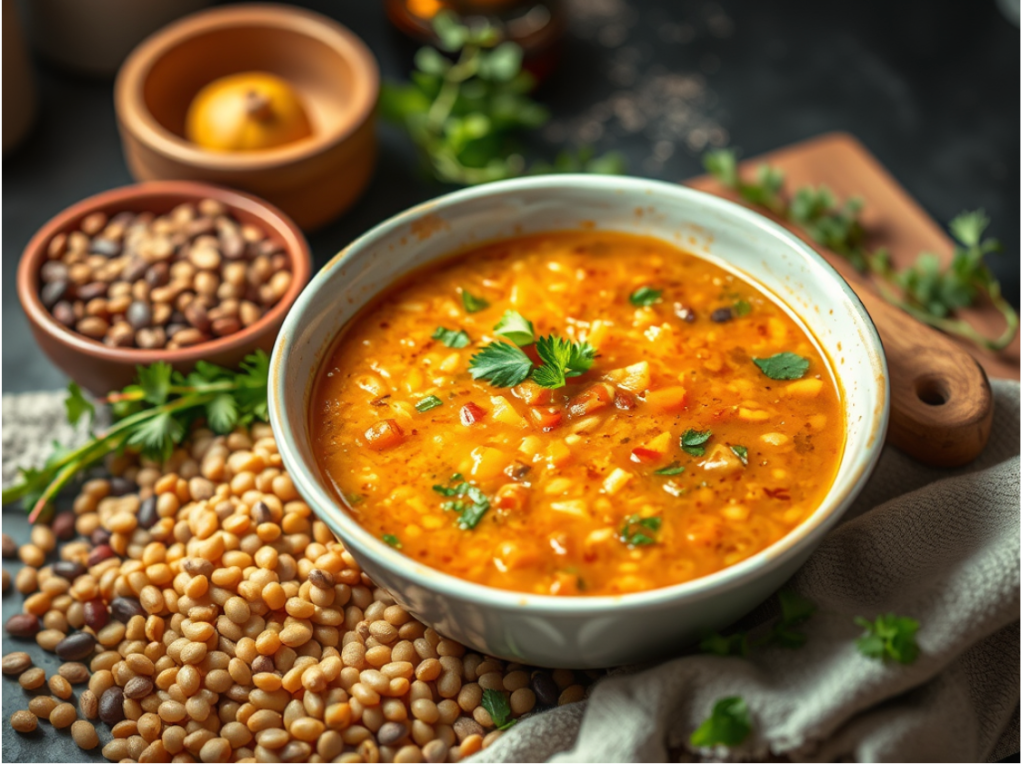
When you think of lentils, you might think of comfort food — warming soups, hearty bakes, or satisfying curries. But did you know that lentils have a secret superpower?
It’s called the Second Meal Effect, and it means that eating lentils can help you balance your blood sugar not just at the current meal, but at your next meal too!
What Is the Second Meal Effect?
The “Second Meal Effect”, also known as “The Lentil Effect” or “The Subsequent Meal Effect” refers to a fascinating phenomenon:
Eating foods like lentils, beans, and chickpeas at one meal can improve your blood sugar response at the following meal. This is true even if that next meal doesn’t contain lentils at all!
In other words, eating low-GI foods at dinner helps improve your blood sugar response at breakfast the next day. Your body processes the next meal better, with lower glucose spikes and better insulin sensitivity. Pretty amazing, right?
How Do Lentils Do It?

Several things happen when you eat lentils:
• 🥣 High in Fiber: Lentils are packed with soluble fiber, which slows digestion and smooths out the release of glucose into the bloodstream.
• 🧬 Gut Microbiome Magic: The fiber also feeds beneficial gut bacteria, which produce short-chain fatty acids — compounds that improve blood sugar control.
• 🍚 Slow-Digesting Carbs: Lentils contain resistant starches and low-glycemic carbohydrates that digest slowly and steadily.
• 🧠 Hormonal Boosts: Eating lentils can trigger gut hormones like GLP-1, which help regulate appetite and glucose metabolism.
All these effects combine to “train” your metabolism to handle the next meal more gracefully.
What the Research Says
Scientists have studied the Second Meal Effect for decades.
• Wolever and Jenkins were among the early pioneers. They examined the impact of the glycemic index (GI) of foods eaten at dinner. They focused on how this index affects blood sugar levels at breakfast the next morning. In their study, healthy participants ate either low-GI or high-GI meals with the same nutrients on different evenings. Some dinners were made of single foods, while others were mixed meals. They found that the GI of the evening meal accurately predicted blood sugar responses the next morning. Breakfasts after low-GI dinners led to significantly lower blood sugar spikes compared to high-GI dinners. Interestingly, the fiber content of the dinner didn’t matter if the GI stayed the same. Overall, eating low-GI foods at dinner improved how well the body handled carbohydrates at breakfast. (Wolever 1988)
More recently, several reviews have found that whole grains and legumes can also reduce blood sugar levels after the meal. Legumes also contribute to this reduction. They also lower blood sugar levels not only then but at the next meal. This “subsequent meal effect.” is thought to be largely driven by the fermentation of resistant starch and indigestible carbohydrates. Minimally processed grains and legumes offer the greatest benefits for blood glucose control and may help in diabetes prevention. (Higgins 2012, Kouris-Blazos 2016)
Why It Matters
Lentils aren’t just tasty — they’re packed with nutrients that make them a real powerhouse. They’re low in sodium and saturated fat. They are loaded with potassium, fiber, and folate. They also contain natural plant compounds called polyphenols, which act as antioxidants. (Ganesan 2017). Thanks to all this goodness, scientists have been digging into how lentils might help protect against chronic diseases. Lentils also have slow-digesting resistant starch. This helps steady blood sugar levels. They also contain prebiotics that feed your gut’s healthy bacteria and support digestion.
Recipe Inspiration
Cheesy Red Lentil and Vegetable Bake (AKA crustless, eggless quiche).
This recipe was adapted from Amy Sheppard’ Cheesy Lentil Bake for the Thermomix. But is probably just as easy to make on the stove top.
🥕 Ingredients:
- 2 carrots, peeled and coarsely grated (approx. 200 g / 7 oz)
- 1 onion, cut into quarters (approx. 150 g / 5.3 oz)
- 2 cloves garlic
- 20 g olive oil (about 1½ tbsp)
- 200 g dried red lentils (1 cup)
- 600 g vegetable stock, hot (approx. 2½ cups)
- 100 g grated cheddar cheese (about 1 cup packed, plus extra for topping)
- 2 slices bread, roughly torn (for breadcrumbs) (about 80 g / 2.8 oz)
- • Salt & pepper, to taste
🛠️ Thermomix Instructions
- Step 1: Place bread slices into clean mixing bowl (remove butterfly first). Blend 5 sec / Speed 7 to make breadcrumbs. Set aside.
- Step 2: Place carrot, onion and garlic into mixing bowl. Chop 5 sec / Speed 5. Scrape down sides.
- Step 3: Add olive oil. Sauté 5 min / 120°C / Reverse / Speed 1.
- Step 4: Add red lentils and 100 g (about ½ cup) vegetable stock. Cook 3 min / 100°C / Reverse / Speed 1.
- Step 5: Cook a further 15 min / 100°C / Reverse / Speed 1 gradually add the remaining vegetable stock (a little at a time) through the lid while cooking . If needed, cook a few extra minutes until lentils are tender and stock mostly absorbed.
- Step 6: Meanwhile, preheat oven to 180°C (350°F) and line a baking dish with baking paper.
- Step 7: Add breadcrumbs, grated cheese (100 g / about 1 cup), salt, and pepper to lentil mixture. Mix 10 sec / Reverse / Speed 2.
- Step 8: Transfer mixture into the prepared baking dish. Gently press down. Sprinkle extra grated cheese over the top.
- Step 9: Bake in preheated oven for 30 minutes or until golden and firm. Let cool slightly before slicing.
Variations to jazz it up
Depending on your mood, this recipe can be tweaked
🌿 Classic Comfort (Herby & Savoury)
→ Add during the sauteing step, with the onion and garlic (step 3).
- 1 tsp dried thyme (or 2 tsp fresh)
- 1 tsp dried oregano
- ½ tsp smoked paprika (adds depth and warmth)
- Pinch of nutmeg (great with cheesy dishes)
🌶️ Warming Mediterranean/Middle Eastern Vibe
→ Add in just before the lentils in Step 4
- 1 tsp ground cumin
- ½ tsp ground coriander
- ½ tsp turmeric (golden glow + earthy flavour)
- 1 pinch cinnamon or allspice (optional, subtle background warmth)
- ½ tsp chili flakes or ¼–½ tsp cayenne pepper (optional)
- 1 tsp smoked paprika or hot paprika
Takeaway message
Adding more lentils and legumes to your diet can:
- Help prevent blood sugar spikes and crashes
- Support better energy levels and focus
- Contribute to long-term health, including reduced risk of diabetes and heart disease
And best of all — they’re delicious!
References:
- Ganesan K, Xu B. Polyphenol-Rich Lentils and Their Health Promoting Effects. Int J Mol Sci. 2017 Nov 10;18(11):2390.
- Higgins JA. Whole grains, legumes, and the subsequent meal effect: implications for blood glucose control and the role of fermentation. J Nutr Metab. 2012;2012:829238.
- Kouris-Blazos A, Belski R. Health benefits of legumes and pulses with a focus on Australian sweet lupins. Asia Pac J Clin Nutr. 2016;25(1):1-17.
- Wolever TM, Jenkins DJ, Ocana AM, Rao VA, Collier GR. Second-meal effect: low-glycemic-index foods eaten at dinner improve subsequent breakfast glycemic response. Am J Clin Nutr. 1988 Oct;48(4):1041-7.
 Weng's Culinary Adventures
Leave a comment