




What if one small tweak to your diet could protect your heart, steady your blood sugar, and transform your gut health?? That’s the power of soluble fibre—the unsung hero of the nutrition world that many, including doctors, know very little about.
In early 2022, a routine check-up turned into a shocking wake-up call. My cholesterol levels were dangerously high, and I had entered the pre-diabetic range. Hearing this was unsettling, to say the least. My doctor recommended starting cholesterol-lowering medication. However, I wanted to try taking control of my health through diet first.
I was fortunate to find a highly knowledgeable dietitian who opened my eyes to an often-overlooked cornerstone of nutrition: fibre. I had underestimated its critical role in health, particularly the importance of soluble fibre. To my surprise, I discovered just how little of it I was consuming. Truthfully, my understanding of cholesterol-lowering fibre was superficial at best, limited to the heart-shaped logos on cereal boxes. Brands like Cheerios or Uncle Toby’s rolled oats came to mind. Beyond that, I had no real grasp of its significance.
With my dietitian’s expert guidance, I revamped my food choices and focused on adding more soluble fibre to my meals. To my astonishment, within months, my LDL cholesterol dropped by 30%. My HbA1C (a blood test for blood sugar control) also returned to normal. Seeing such dramatic results, I became fascinated by the science behind it. Exactly how does soluble fibre work to lower cholesterol and sugar?
What Is Soluble Fibre?
Soluble fibre is a dietary fibre that dissolves in water to form a gel-like substance in your digestive system. This unique property sets it apart from insoluble fibre, which remains intact as it passes through your gut. Examples include:
| Beta-glucans | – Found in oats and barley – Functions as a prebiotic, supports beneficial gut bacteria. – Increases stool bulk, but does not have a laxative effect. – May help control blood sugar and cholesterol levels |
| Guar gum | – From seeds e.g flaxseeds, chia seeds – Has a viscous gel texture – Is often added to foods as a thickener – May help control blood sugar and cholesterol levels |
| Inulin, oligofructose, oligosaccharides, fructooligosaccharides | – Found in onions, chicory root, asparagus, and Jerusalem artichokes – Helps to bulk stool with a laxative effect – Can cause bloating and stomach discomfort in people with IBS – May help control blood sugar and cholesterol levels |
| Pectins | – Found in apples, berries, and other fruits. – Has minimal bulking or laxative effects. – May slow digestion due to its gelling properties – May help control blood sugar and cholesterol levels |
| Resistant starch | -Found in legumes, unripe bananas, cooked and cooled pasta, and potatoes -Adds bulk to stools but has minimal laxative effect – May help control blood sugar and cholesterol levels |
(Source: https://nutritionsource.hsph.harvard.edu/carbohydrates/fiber/)
Why Is Soluble Fibre “Heart Healthy”
Soluble fibre helps reduce the risk of heart disease by lowering LDL, the bad cholesterol. Here is a closer look at the proposed mechanisms by which soluble fibre lowers cholesterol:
- Binds to Bile Acids
Soluble fibre attaches to bile acids in the intestine, preventing their reabsorption. Bile acids are produced from cholesterol. Their loss through feces prompts the liver to use more cholesterol from the bloodstream to synthesize new bile acids. This process leads to a reduction in circulating “bad” LDL cholesterol (Gunness 2010). - Traps Cholesterol in the Gut
Soluble fibre forms a gel-like structure in the digestive tract. It physically traps cholesterol and limits LDL absorption into the bloodstream. (Lattimer & Haub, 2010). - Stimulates the Production of Short-Chain Fatty Acids (SCFAs)
Soluble fibre is fermented by gut bacteria, producing short-chain fatty acids (SCFAs). These include acetate, propionate, and butyrate. Propionate, in particular, has been shown to inhibit cholesterol synthesis in the liver, directly reducing blood cholesterol concentrations (Wong 2006). - Slows Lipid Absorption
Soluble fibre delays gastric emptying. It slows the absorption of lipids in the small intestine. This decreases the overall cholesterol load that enters the bloodstream (Gunness 2010).
These combined effects contribute to the cholesterol-lowering benefits of soluble fibre. This is why foods high in soluble fibre, like oats, are called “heart healthy“.
How Does Soluble Fibre Reduce Blood Sugar?
Here is are some proposed mechanisms by which soluble fibre lowers blood sugar:
- Slows Gastric Emptying:
Soluble fibre delays the rate at which food leaves the stomach. This extends the time for digestion and absorption of nutrients. Nutrients include glucose. This controlled release prevents rapid surges in blood sugar levels (Goff 2018) - Modulates Gut Hormones:
Soluble fibre promotes the release of incretin hormones such as glucagon-like peptide-1 (GLP-1) and peptide YY (PYY), which help regulate blood sugar by stimulating insulin secretion and reducing appetite (Goff 2018) - Reduces Enzymatic Activity:
The gel-like matrix formed by soluble fibre creates a barrier. This barrier reduces the accessibility of digestive enzymes to carbohydrates in the small intestine. This delayed breakdown of starch and sugars further smoothens the glucose absorption curve (Goff 2018) - Formation of a Gel-Like Substance:
Soluble fibre dissolves in water to form a viscous gel in the small intestine. This gel slows the digestion and absorption of carbohydrates, leading to a gradual release of glucose into the bloodstream. This mechanism reduces postprandial (after-meal) blood sugar spikes, providing better glycemic control (Goff 2018) - Improves Insulin Sensitivity:
Gut bacteria ferment soluble fibre to produce short-chain fatty acids (SCFAs). Propionate is a SCFA. It has been shown to improve insulin sensitivity by enhancing glucose uptake. It also reduces hepatic glucose production (Wong 2006).
All this helps keep blood sugar levels from spiking, which is important in diabetics and pre-diabetics. It is also important for people who have inflammatory disorders as the sugar peaks can cause tissue inflammation.
Other health benefits of Soluble Fibre
- Promotes a Healthy Gut and has Prebiotic Effects: Soluble fibre supports a healthy gut by acting as a prebiotic, feeding beneficial bacteria that ferment it into short-chain fatty acids (SCFAs) like acetate, propionate, and butyrate. These SCFAs strengthen the gut lining, reduce inflammation, regulate gut pH, and protect against harmful pathogens. Butyrate, in particular, serves as the primary energy source for colon cells, aiding their repair and overall gut health. A thriving gut microbiome not only improves digestion but also enhances immunity and mental health (Canani 2011).
- Aids in Weight Management: High-fibre meals have been shown to reduce plasma levels of ghrelin, the hormone responsible for stimulating hunger, while simultaneously increasing levels of satiety-related hormones like cholecystokinin (CCK), glucagon-like peptide-1 (GLP-1), and peptide YY (PYY). These effects are partly due to the gut microbes metabolizing prebiotic fibre, producing short-chain fatty acids (SCFAs) such as propionate and butyrate. These SCFAs bind to G-protein-coupled receptors (GPR41 and GPR43) in the colon, triggering the release of PYY and GLP-1, which help regulate appetite and promote a feeling of fullness. Furthermore, SCFAs also stimulate the secretion of leptin, a hormone produced by fat cells that helps regulate food intake, body weight, and energy metabolism (Akhlaghi 2024).
Which Foods Are Rich in Soluble Fibre?

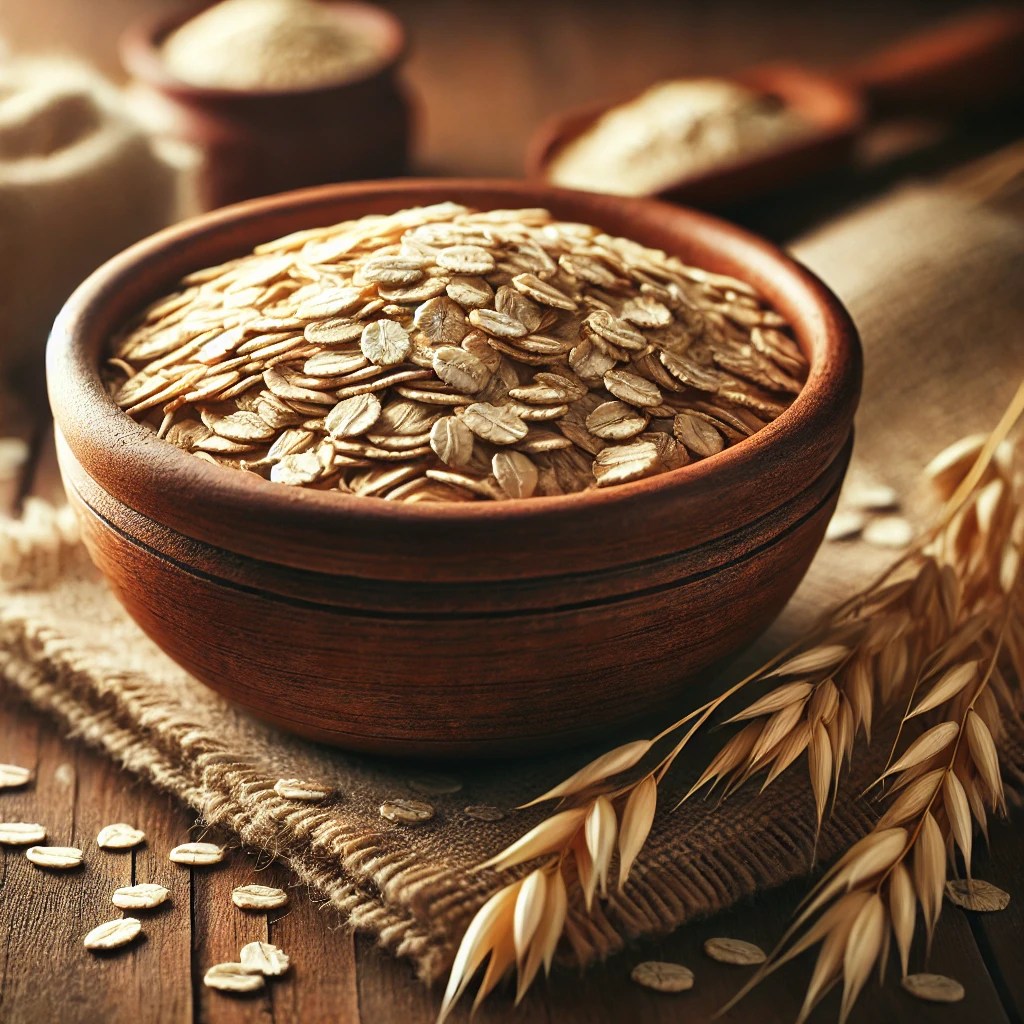

Incorporating more soluble fibre into your diet is easier than you think. Here are some excellent sources, along with their soluble fibre content:
- Vegetables (cooked): Brussels sprouts (2.0g per 1/2 cup), sweet potatoes (1.8g per 1/2 cup)
- Fruits: Apples (1.0g per small apple), oranges (1.8g per small orange), pears (1.1g per half large pear)
- Legumes: Black beans (2.4g per 1/2 cup), chickpeas (1.3g per 1/2 cup), lentils (0.6g per 1/2 cup)
- Grains: Oats (1.4g per 1/3 cup dry), barley (0.8g per 1/2 cup cooked)
- Seeds: Flaxseeds (1.1g per tablespoon), chia seeds (significant amounts)
(Source: Harvard University Health Services, Fiber Content of Foods Chart, 2004)
Please note: If you’re using this chart to help guide you in fibre charging your diet its pretty old. I don’t suggest you get your fibre from commercial cereals. They are all ultra processed food (UPFs). The evidence for fibre supplements added to food during processing is less robust than from real foods.
How Much Soluble Fibre Do You Need?
There’s no specific daily recommendation for soluble fibre. However, experts suggest that adults consume 25 to 30 grams of total dietary fibre daily. A good portion, ideally more than 15 grams, should come from soluble sources. Start by gradually adding more fibre-rich foods to your meals and snacks to give your digestive system time to adapt. Drink plenty of fluids, at least 6-8 cups of water daily, to help your body process the added fibre effectively.
Here are some of my favourite ways to fuel up on soluble fibre



Head over to Instagram to see these meals on my @Wengs_Culinary_Adventures
- Making a side dish of Chickpea “Potato” Salad. I substitute the potatoes for chickpeas. An added bonus is there’s no need to boil and cut potatoes!
- Throwing in a can of lentils to bulk up the nutrition of your leftover Fried Rice
- Adding Crispy Roasted Black Beans to a base of cannellini beans sautéed with garlic and shallots and topped with blistered cherry tomatoes
- Making a delicious Asian-style stir fried jicama (yam beans) “Bang Kuang Char”
Final Thoughts & Recipe Inspiration
Soluble fibre is the unsung superhero in the world of nutrition. I really want to raise awareness about this under-appreciated nutrient. Certainly for me, I had no idea I was under-nourished in soluble fibre. It was undoubtably one of the main contributors to my metabolic health problems.



If you’re scared that the added fibre will cause tummy troubles, start slowly. Maybe try my Crispy Chickpea Crumble. Just blend a can of drained chickpeas. Spread it out on a baking tray. Drizzle over with olive oil then sprinkle salt, pepper, and your favourite herbs or spices. Bake it at 425F/ 220C for 10-15 minutes (giving it a toss midway). Let it cool, then crumble it in your hands. Store it in an airtight container and its ready for sprinkling on salads, pasta, and roast veggies.
Have a soluble fibre tip or question? Let’s keep the conversation rolling in the comments.
References
- Akhlaghi M. (2024). The role of dietary fibers in regulating appetite, an overview of mechanisms and weight consequences. Critical reviews in food science and nutrition, 64(10), 3139–3150.
- Canani, R. B., Costanzo, M. D., Leone, L., Pedata, M., Meli, R., & Calignano, A. (2011). Potential beneficial effects of butyrate in intestinal and extraintestinal diseases. World journal of gastroenterology, 17(12), 1519–1528.
- Goff, H. D., Repin, N., Fabek, H., El Khoury, D., & Gidley, M. J. (2018). Dietary fibre for glycaemia control: Towards a mechanistic understanding. Bioactive carbohydrates and dietary fibre, 14, 39-53.
- Gunness, P., & Gidley, M. J. (2010). Mechanisms underlying the cholesterol-lowering properties of soluble dietary fibre polysaccharides. Food & Function, 1(2), 149-155.
- Lattimer, J. M., & Haub, M. D. (2010). Effects of dietary fiber and its components on metabolic health. Nutrients, 2(12), 1266-1289.
- Wong, J. M., de Souza, R., Kendall, C. W., Emam, A., & Jenkins, D. J. (2006). Colonic health: fermentation and short chain fatty acids. Journal of clinical gastroenterology, 40(3), 235–243.
Further reading
- Bakr, A. F., & Farag, M. A. (2023). Soluble Dietary Fibers as Antihyperlipidemic Agents: A Comprehensive Review to Maximize Their Health Benefits. ACS omega, 8(28), 24680–24694.
- Threapleton, D. E., Greenwood, D. C., Evans, C. E., Cleghorn, C. L., Nykjaer, C., Woodhead, C., Cade, J. E., Gale, C. P., & Burley, V. J. (2013). Dietary fibre intake and risk of cardiovascular disease: systematic review and meta-analysis. BMJ (Clinical research ed.), 347, f6879.


 Weng's Culinary Adventures
Leave a reply to Weng Yee Chin Cancel reply