
Over the past year, I’ve started proudly identifying as a microbiome advocate. At any gathering or dinner party, I’m the person who won’t stop espousing plant diversity. You will often hear me encouraging people to try a new bean recipe or reminding them to “eat the rainbow”. I was never previously a huge legume lover, but am now a true convert.


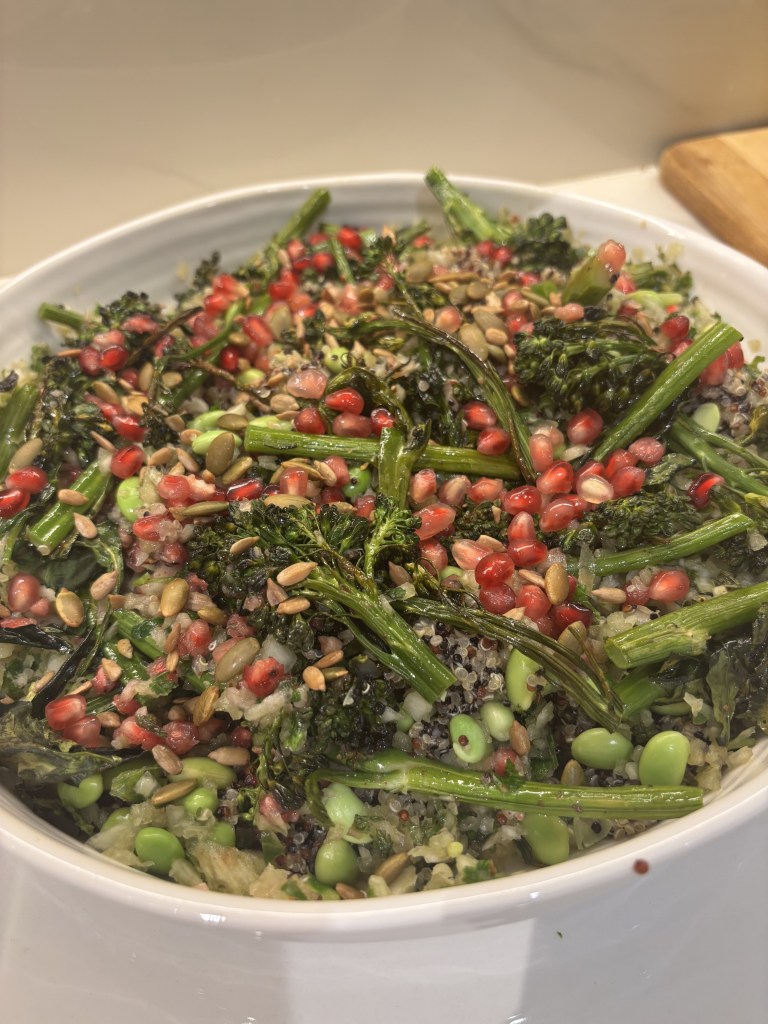
What is the Gut Microbiome?
The gut microbiome refers to the trillions of bacteria, viruses, fungi, and other microorganisms that live in our digestive system. They play a pivotal role in everything from digestion, modulating inflammation to mental well-being. It has become a highly exciting research area offering a deeper understanding of how our health is shaped from within. Scientists have discovered that these microbes are not just passive passengers. They actively interact with our body, influencing various biological processes. Each person’s microbiome is as unique as a fingerprint, shaped by genetics, diet, lifestyle, and environment.
Why is the Gut Microbiome Important?

Digestive Health
Beneficial bacteria in the gut help break down food, produce essential nutrients, and protect against harmful pathogens.
- Gut bacteria facilitate the breakdown of complex carbohydrates into short-chain fatty acids (SCFAs), which provide energy to intestinal cells and support gut lining integrity (Tremaroli 2012).
- A well-balanced microbiome can protect against gastrointestinal disorders like irritable bowel syndrome (IBS) and inflammatory bowel diseases (IBD) (Dinan 2017).
Immune Function
About 70% of the immune system resides in the gut. A healthy microbiome can strengthen the immune response and reduce inflammation.
- Symbiotic Relationship: The microbiota, comprising bacteria, fungi, viruses, and other microorganisms, forms a complex community that interacts symbiotically with the host. This relationship is crucial for the development, training, and function of the host’s immune system.
- Immune System Development: The presence of microbiota is essential for the proper maturation of both innate and adaptive immune responses. Germ-free animals, which lack microbiota, exhibit underdeveloped immune systems, highlighting the microbiota’s role in immune education.)
- Immune Homeostasis: The gut microbiota plays a crucial role in maintaining immune homeostasis by influencing both innate and adaptive immune responses. Commensal bacteria interact with immune cells in the gastrointestinal tract, aiding in the development and function of the immune system.
- Autoimmunity: Disruptions in the composition of gut microbiota, known as dysbiosis, can lead to immune dysregulation. Such imbalances may contribute to the development of autoimmune diseases, where the immune system erroneously attacks the body’s own tissues.
- Impact of Modern Lifestyle: In high-income countries, factors such as overuse of antibiotics, dietary changes, and the elimination of certain symbiotic organisms (e.g., helminths) have led to a less diverse and resilient microbiota. This shift is associated with an increase in autoimmune and inflammatory disorders.
Source: Wu 2012, Belkaid 2014
Mental Health
The gut-brain axis links the digestive system with the brain. An imbalance in gut bacteria has been associated with conditions like anxiety, depression, and even neurodegenerative diseases.
- Research has found associations between microbiome diversity and reduced risk of depression and anxiety (Simpson 2021)
- Gut microbes produce neurotransmitters like serotonin, influencing mood regulation (Jenkins 2016)
Metabolism
The microbiome influences how our body processes and stores fats, which can impact weight management and metabolic health.
- Gut microbiota composition affects energy harvest from food, influencing obesity and metabolic syndrome risk (Festi 2014)
Disease Prevention
A diverse and balanced microbiome is associated with a lower risk of conditions such as type 2 diabetes, cardiovascular disease, and inflammatory bowel diseases. (Jurjus 2016)
Nourishing Your Gut Microbiome
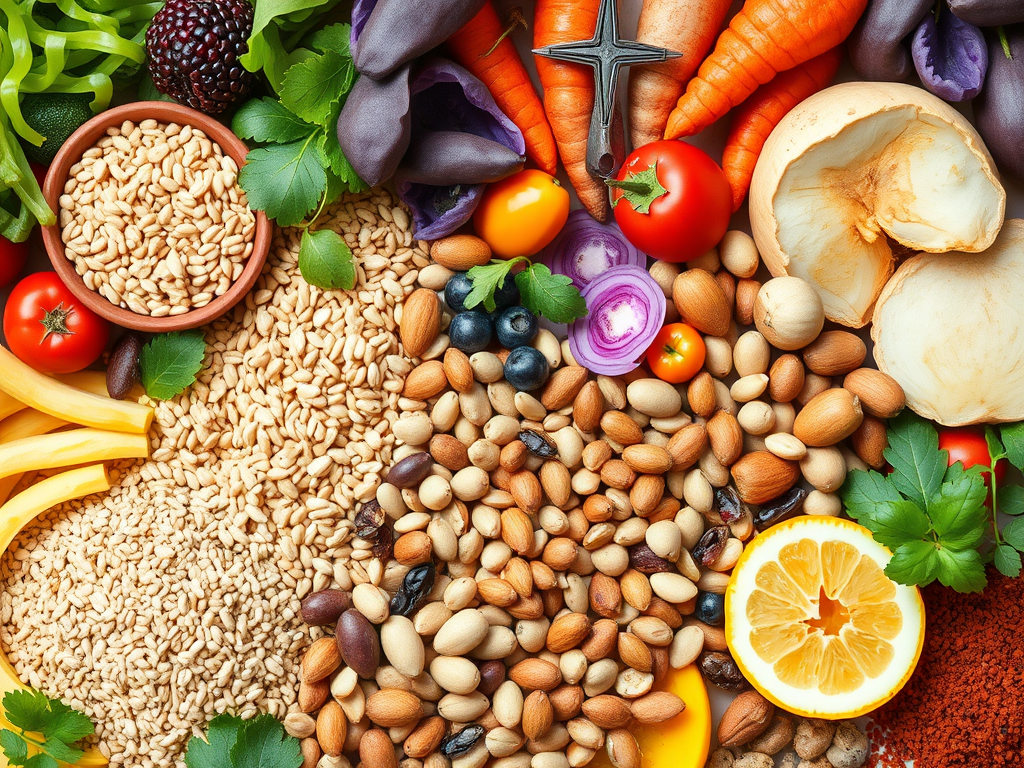
The key to a improving your microbiome through your diet lies in:
The “Super Six”
- There is ample evidence to support consuming a diverse range of plant-based, high-fiber foods. The Super Six refers to whole grains, vegetables, fruits, legumes, nuts & seeds and herbs & spices. These foods are rich in prebiotics, which feed beneficial gut bacteria, encouraging their growth and activity.
Polyphenols:
- Polyphenols are a large and diverse group of natural compounds present throughout plants, from their roots to their fruits.
- These compounds are especially abundant in foods like fruits, vegetables, legumes, grains, herbs, and spices—essentially, vibrant and colorful plant-based foods.
- In plants, polyphenols serve as a defense mechanism, shielding them from environmental stressors such as UV radiation, insects, and pathogens.
- For humans, polyphenols offer a range of health benefits. Many act as antioxidants, while others exhibit potent anti-inflammatory, antifungal, and antibacterial properties.
- Polyphenols are richly found in coffee, tea, dark chocolate, red wine and extra virgin olive oil.
Fermented foods
- Foods like yogurt, keffir, kimchi, sourdough, tempeh, miso, sauerkraut, and kombucha introduce probiotics. These are live microorganisms that can improve or restore the microbiome.
Practical Tips for a Healthier Gut
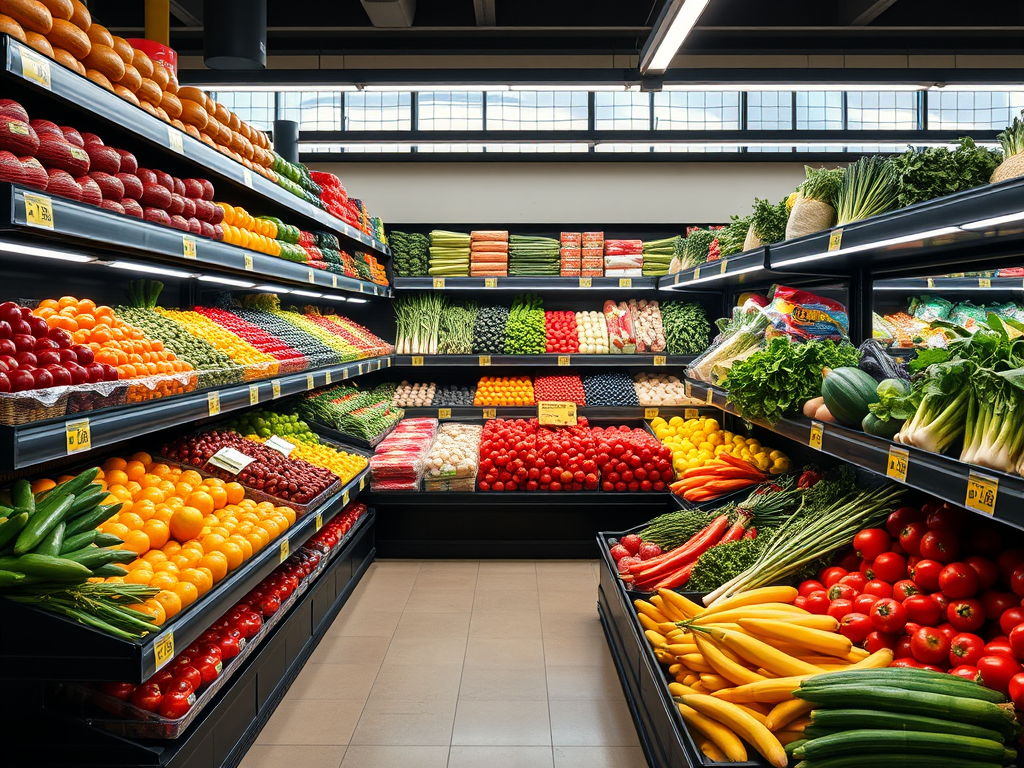
1. Eat the Rainbow
Findings from the American Gut Project suggests that we should aim for at least 30 different types of plant-based foods per week. The diversity of fiber and nutrients supports a thriving microbiome
2. Include Fermented Foods
Incorporate a serving of probiotic-rich foods into your daily meals to boost good bacteria.
3. Use Extra Virgin Olive Oil (EVOO)
EVOO is rich in polyphenols. Refined olive oils are not as good. The refining process uses high heat, pressure, and chemicals. This reduces the antioxidant content.
3. Minimize Processed Foods
High-sugar and ultra-processed foods can feed harmful bacteria, leading to an imbalance.
4. Stay Hydrated
Water supports digestion and helps maintain a healthy gut lining.
5. Exercise Regularly
Physical activity promotes gut diversity and strengthens the connection between the gut and brain.
6. Gut Rest
The microbiome has a diurnal rhythm (sleep-wake cycle) and benefits from digestive rest. Think of it as an office that needs to clear out for the “cleaning crew” to come through. Aim to rest the gut for at least 12 hours. This usually means giving up the midnight munchies to allow a good overnight fast between dinner and breakfast.
What Is My Strategy For Microbiome Health?
Caring for your gut microbiome is an investment in your overall health. Adopting gut-friendly habits is a lot easier than you think. Embrace a diet rich in plant-based, high-fiber foods and your body will thank you.
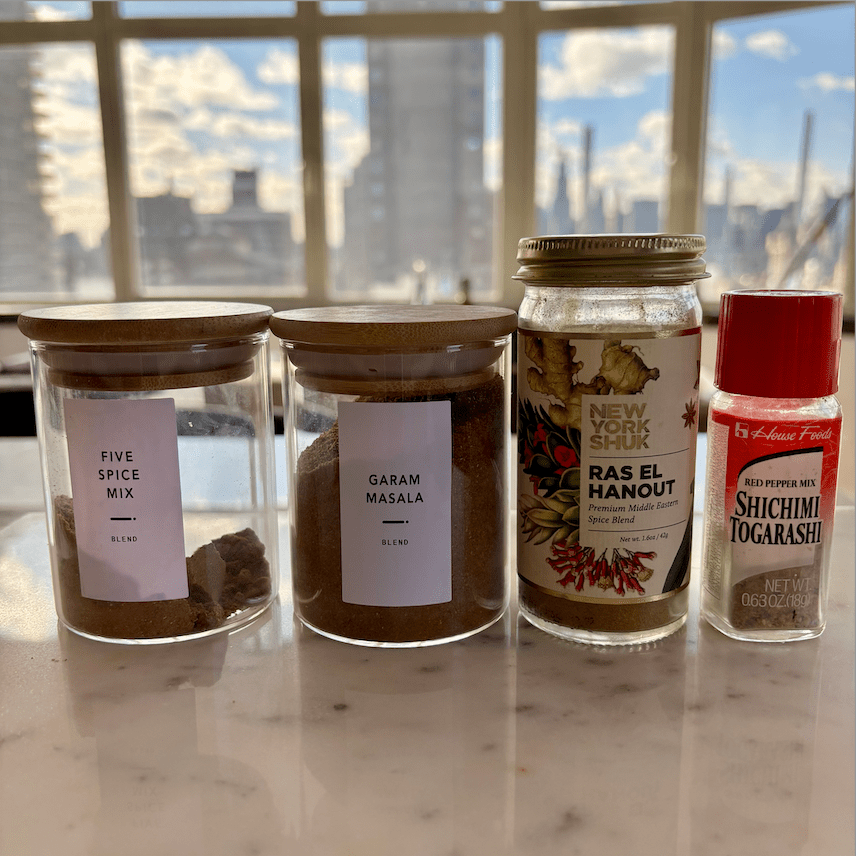


- Be adventurous with spicing up your food. I’m a huge fan of spice blends. I regularly use Chinese Five Spice, Japanese shichimi (seven spice), Indian garam masala, Moroccan Ras el Hanout to name a few.
- Introduce “sprinkles“ onto everything you eat. These are toppings, or garnishes (freshly chopped herbs, nuts, crispy lentils) that add extra plant diversity. My avocado on toast always has chopped spring onions and a sprinkling of dried chili flakes. My roast vegetables often get topped with crispy chick pea sprinkles. I sprinkle seeds and nuts on my salads. I like to try to give my meals a contrasting coloured sprinkle. The aim is to make it look and taste better.
- Find a really good minestrone recipe and make it on repeat. It’s a great way of using up all the droopy vegetables at the bottom of the fridge crisper. I always make a variation of this Blue Zone’s Sardinian 3-bean minestrone, using whatever vegetables are in my fridge. I “zhuzh” it up with every herb I can find, and sprinkle chilli flakes to give it a kick.
- Explore recipes from different regions. This will introduce you to a broader variety of flavours, spices and ingredients. You will also discover new ingredients and methods of preparation. I recently started making homemade gozleme. These are stuffed Turkish flatbreads. I like to serve them with muhamara, a Syrian roasted pepper and walnut dip, and a Moroccan 9-spice lentil soup. Believe me, they’re a perfect match and you gut will thank you.
- I make a lot of curries. It helps that it’s my husband’s favourite food genre. My cultural heritage means it’s part of my childhood palate. Curries are an incredibly versatile way of throwing vegetables, lentils, and spices into one delicious and nutritious pot. You can enjoy Malaysian chicken and potato curry. Eggplant or spinach lentil dahls are also options. Not only are they a great way to add plant diversity, but they’re also great for meal prep.
- If you’re in the mood for something indulgent, consider good quality dark chocolate (at least 70% cacao). You might also try my signature dark chocolate-beetroot-pistachio cake.


My Favourite Microbiome Boosting Recipes on Cookidoo®
I recently hosted a dinner party recently where my goal was to introduce plant diversity and plenty of polyphenols. To make things easier, the entire menu was made using my Thermomix®. The recipes are all from Cookidoo® the official digital recipe platform for Thermomix®. With over 70,000 recipes on the app, it really helps me to discover new culinary adventures.
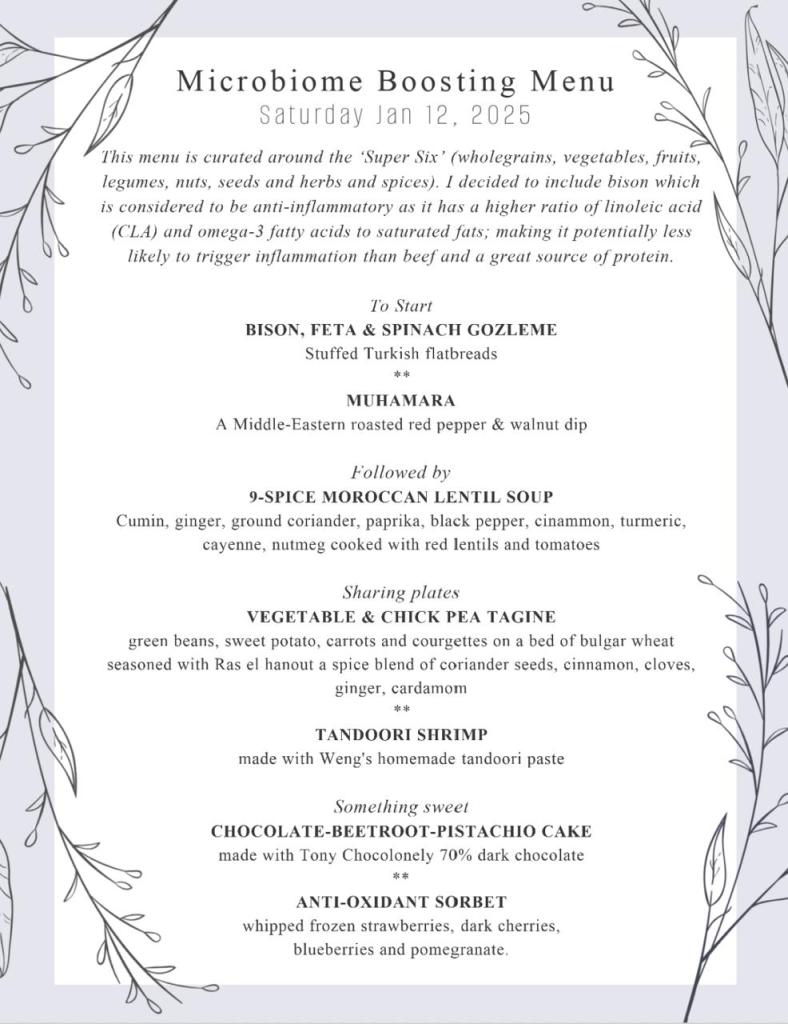
Here are the Cookidoo® recipes I made in my Thermomix® for the dinner party:
- Gozleme
- Muhamara
- Spiced Moroccan Lentil Soup
- Vegetable and Chickpea Tagine
- Tandoori Paste
- Weng’s Chocolate Beetroot Pistachio Cake with Shiny Ganache
- Berry Dream using the Wholefoods Anti-Oxidant Frozen Fruit Blend
Essentially when it comes to microbiome boosting, avoid being basic, and aim to go extra!
What steps will you take today to nourish your microbiome? Share your journey in the comments below!
References
- Tremaroli, V., & Bäckhed, F. (2012). Functional interactions between the gut microbiota and host metabolism. Nature, 489(7415), 242–249
- Dinan, T. G., & Cryan, J. F. (2017). The Microbiome-Gut-Brain Axis in Health and Disease. Gastroenterology clinics of North America, 46(1), 77–89
- Wu, H. J., & Wu, E. (2012). The role of gut microbiota in immune homeostasis and autoimmunity. Gut microbes, 3(1), 4–14
- Belkaid, Y., & Hand, T. W. (2014). Role of the microbiota in immunity and inflammation. Cell, 157(1), 121–141.
- Simpson, C. A., Diaz-Arteche, C., Eliby, D., Schwartz, O. S., Simmons, J. G., & Cowan, C. S. (2021). The gut microbiota in anxiety and depression–a systematic review. Clinical psychology review, 83, 101943.
- Jenkins, T. A., Nguyen, J. C., Polglaze, K. E., & Bertrand, P. P. (2016). Influence of Tryptophan and Serotonin on Mood and Cognition with a Possible Role of the Gut-Brain Axis. Nutrients, 8(1), 56.
- Festi, D., Schiumerini, R., Eusebi, L. H., Marasco, G., Taddia, M., & Colecchia, A. (2014). Gut microbiota and metabolic syndrome. World journal of gastroenterology: WJG, 20(43), 16079
- Jurjus, A., Eid, A., Al Kattar, S., Zeenny, M. N., Gerges-Geagea, A., Haydar, H., … & Jurjus, R. A. (2016). Inflammatory bowel disease, colorectal cancer and type 2 diabetes mellitus: The links. BBA clinical, 5, 16-24
- McDonald, D., Hyde, E., Debelius, J. W., Morton, J. T., Gonzalez, A., Ackermann, G., Aksenov, A. A., Behsaz, B., Brennan, C., Chen, Y., DeRight Goldasich, L., Dorrestein, P. C., Dunn, R. R., Fahimipour, A. K., Gaffney, J., Gilbert, J. A., Gogul, G., Green, J. L., Hugenholtz, P., Humphrey, G., … Knight, R. (2018). American Gut: an Open Platform for Citizen Science Microbiome Research. mSystems, 3(3), e00031-18.


 Weng's Culinary Adventures
Leave a reply to Grace Cymerman Cancel reply