
Do you know the difference between couscous, quinoa, and millet? Don’t worry—neither did I at first! When I started adding more whole grains to my diet, I kept seeing some of them labeled as “Ancient Grains”—which sounded fancy, but honestly, I had no clue what it really meant. Was there an ancient grain council somewhere handing out these titles? 🤔
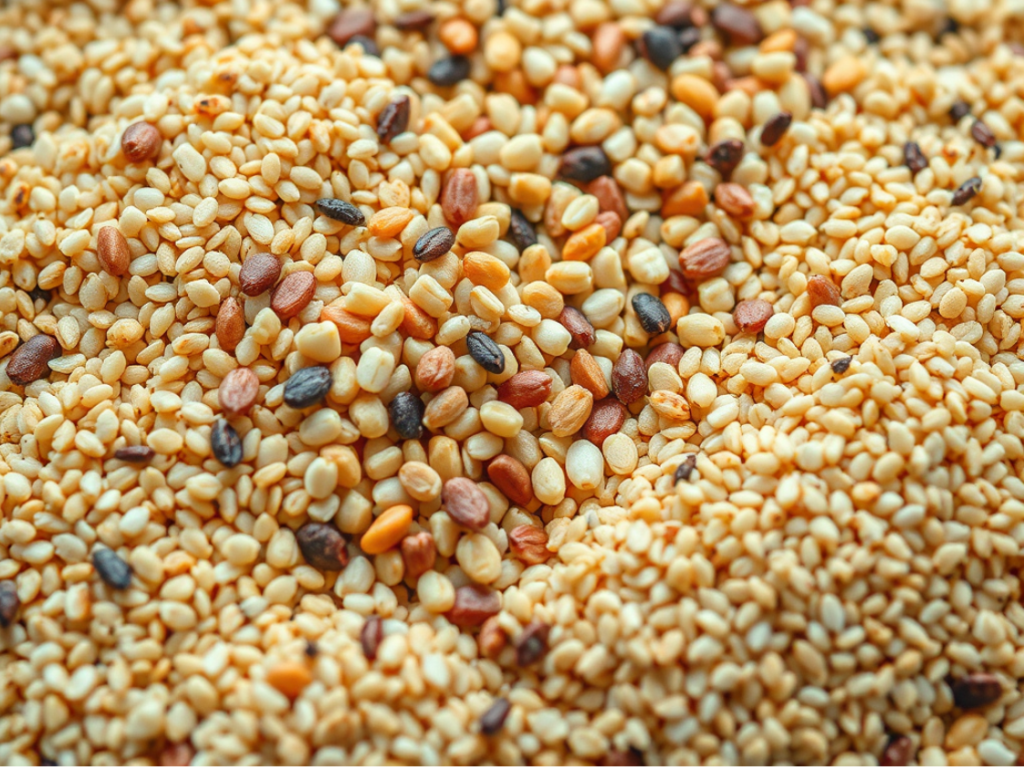
For years, I proudly believed couscous was a healthy whole grain and that millet was some kind of wheat. Turns out, I was way off—couscous is basically tiny balls of pasta (yep, mind blown 💥), and millet? Totally gluten-free and way more nutritious than I ever gave it credit for.
Fast forward to today: I cooked millet for the first time, and honestly, if someone had served it to me without telling me, I would’ve assumed it was couscous. It’s just as delicious but way more nutritious. I may never go back to couscous again. (Sorry, little pasta pearls, it’s not you—it’s me. 😅)
What Are Ancient Grains?
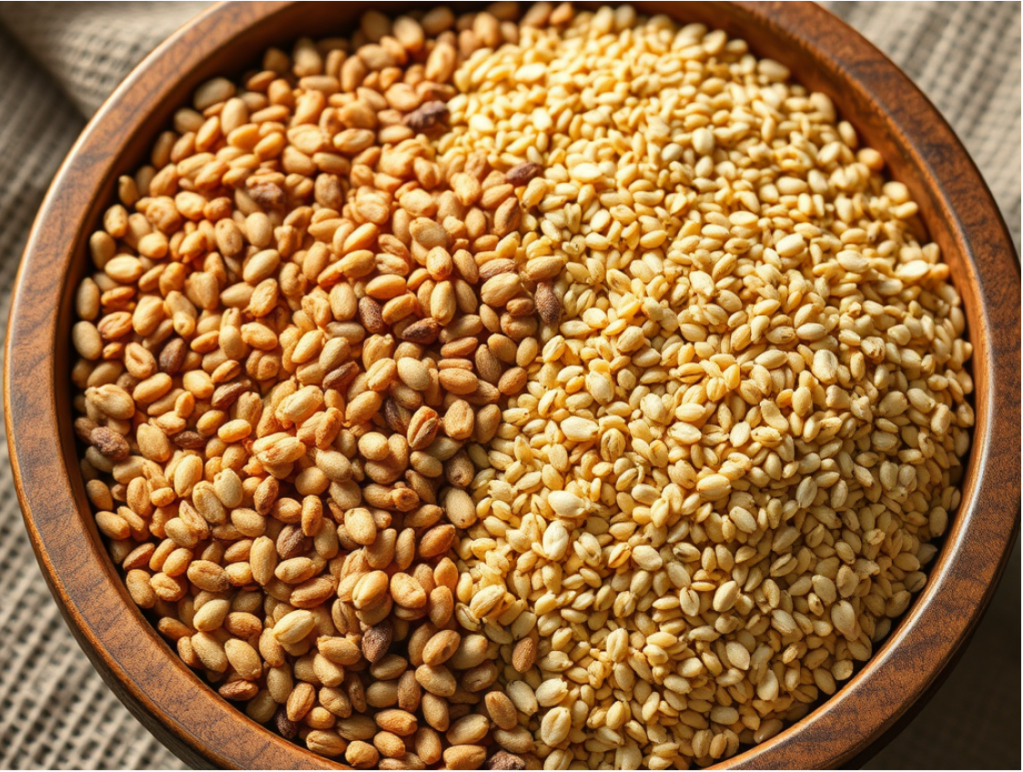
Ancient grains are unrefined, whole grains that have been largely unchanged over the centuries. Unlike modern grains such as wheat, corn and rice, which have been hybridized and genetically modified and processed, ancient grains retain their original genetic makeup, have a higher nutrient content, and richer flavors.
Some of the most popular ancient grains include:
- 🌾 Quinoa – The protein-packed South American super-seed
- 🌾 Farro – The Italian favorite with a chewy, nutty bite
- 🌾 Millet – A gluten-free grain that’s great for digestion
- 🌾 Teff – The tiny Ethiopian grain used in injera bread
- 🌾 Amaranth – A fiber-rich, complete protein source
- 🌾 Spelt – A hearty, high-fiber ancient wheat
- 🌾 Kamut – A buttery, nutrient-dense alternative to wheat
- 🌾 Freekeh – Roasted young wheat with a smoky taste
- 🌾 Sorghum – A drought-resistant grain perfect for gluten-free cooking
These grains were staple foods for ancient civilizations, from the Incas and Egyptians to the Romans and Chinese dynasties. Today, they are making a comeback in modern kitchens due to their health benefits, sustainability, and versatility.
Health Benefits of Ancient Grains
✅ Higher in Nutrients – Unlike refined grains, ancient grains retain their bran and germ, making them rich in fiber, vitamins, and minerals.
✅ Better for Digestion – Many ancient grains are easier to digest and lower in gluten than modern wheat.
✅ Complete Proteins – Quinoa and amaranth contain all nine essential amino acids, making them perfect for vegetarians and vegans.
✅ Heart-Healthy – Whole grains like farro and millet are packed with fiber and antioxidants, which help lower cholesterol.
✅ Lower Glycemic Index – Ancient grains have a lower impact on blood sugar compared to refined wheat and white rice.
✅ Sustainable & Eco-Friendly – Many ancient grains require less water and fewer pesticides, making them a great choice for the environment.
Nutritional Comparison
- 🔹 Quinoa is the most nutrient-dense, offering complete protein, fiber, and iron.
- 🔹 Millet is a good choice for gluten-free diets and has a balanced nutrient profile.
- 🔹 Couscous is the lightest and quickest to cook, but has a higher glycemic index and lower nutrients compared to the others.
Nutritional Content (per 100g cooked) of Cous Cous, Millet and Quinoa
| Couscous | Millet | Quinoa | |
| Calories (kcal) | 112 | 119 | 120 |
| Carbohydrates (g) | 23.2 | 23.7 | 21.3 |
| Protein (g) | 3.8 | 3.5 | 4.1 |
| Fat (g) | 0.2 | 1.0 | 1.9 |
| Fiber (g) | 1.4 | 1.3 | 2.8 |
| Iron (mg) | 0.4 | 0.6 | 1.5 |
| Magnesium (mg) | 8 | 44 | 64 |
| Calcium (mg) | 8 | 3 | 17 |
| Glycemic Index (GI) | 65-75 (High) | 54-71 (Medium) | 53 (Low) |
How to Cook with Ancient Grains
One of the best things about ancient grains is their versatility! They can be used in salads, soups, porridges, side dishes, and even desserts. Here’s a quick guide on how to cook them:
| Ancient Grain | Liquid Ratio | Cooking Time | Best Uses |
|---|---|---|---|
| Quinoa | 2:1 | 12-15 min | Salads, bowls, porridge |
| Farro | 3:1 | 25-30 min | Risotto, soups, grain bowls |
| Millet | 2:1 | 15-20 min | Porridge, stir-fries, baking |
| Teff | 3:1 | 20 min | Porridge, flatbreads, pancakes |
| Amaranth | 3:1 | 20-25 min | Soups, cereals, baking |
| Spelt | 3:1 | 30-40 min | Bread, pasta, grain salads |
| Kamut | 3:1 | 40-45 min | Pilafs, stews, side dishes |
| Freekeh | 2.5:1 | 15-20 min | Pilafs, grain bowls, stuffing |
| Sorghum | 4:1 | 50-60 min | Flour, popped sorghum, stews |
💡 Pro Tip: Toast or roast grains like quinoa, millet, and farro before cooking for a deeper, nuttier flavor!
Why I Am Trying to Eat More Ancient Grains
Ancient grains are a healthier, whole-grain alternative to refined grains. They offer:
- ✅ FAR more nutrients than white rice and refined wheat (think fibre, protein, vitamins…..)
- ✅ Great gluten-free options (quinoa, millet, teff, sorghum, amaranth) – I actually cannot tell the difference between cous cous and millet
- ✅ Better digestion and fiber content (hello healthy microbiome!)
- ✅ Delicious flavors and textures for creative meals
Many modern diets, including Mediterranean, plant-based, and gluten-free diets, can easily incorporate ancient grains for added nutrition and variety.
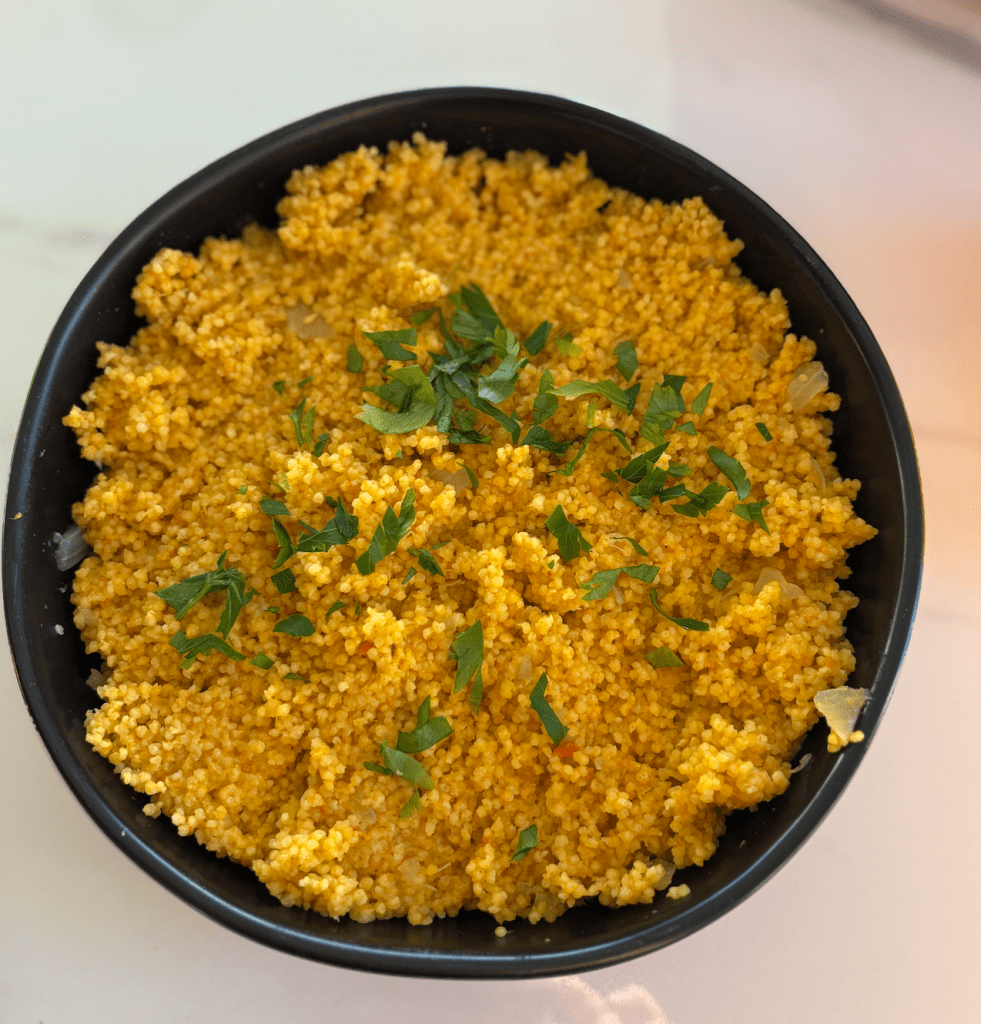
Millet, Angelica Style (adapted from The Angelica Kitchen Cookbook).
This recipe was recently recommended to me, and it is delicious! It’s easy to make on the stove, but for convenience, I adapted the recipe for the Thermomix. You can checkout the original recipe in my last blog post.
Ingredients:
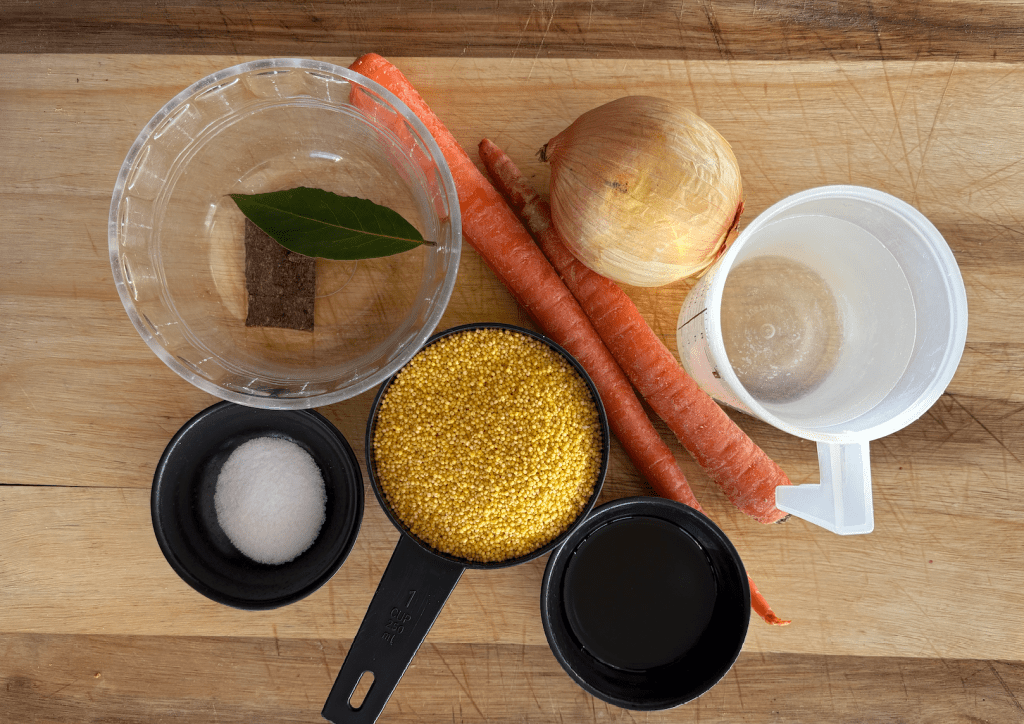
- 2 medium carrots (150g-200g) chopped into pieces
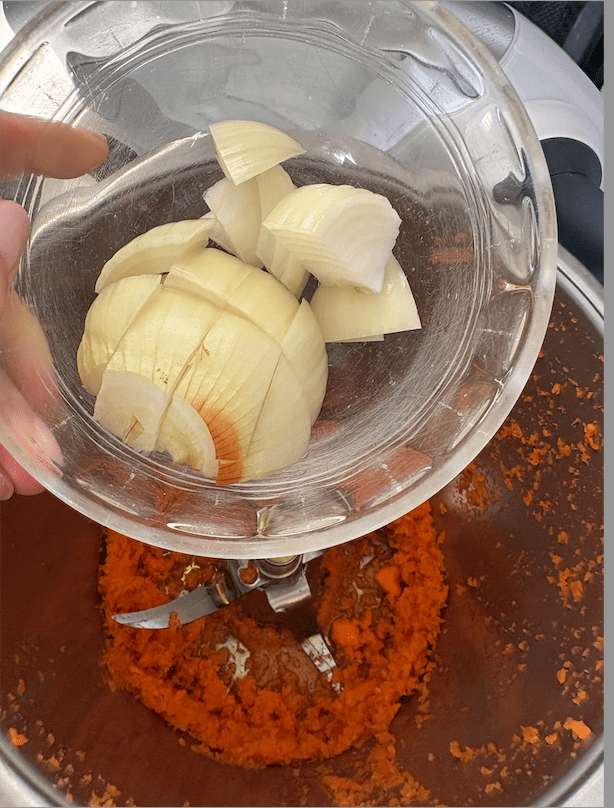
- 1/2 brown onion (150g-200g) cut into quarters
- 1 tablespoon extra virgin olive oil
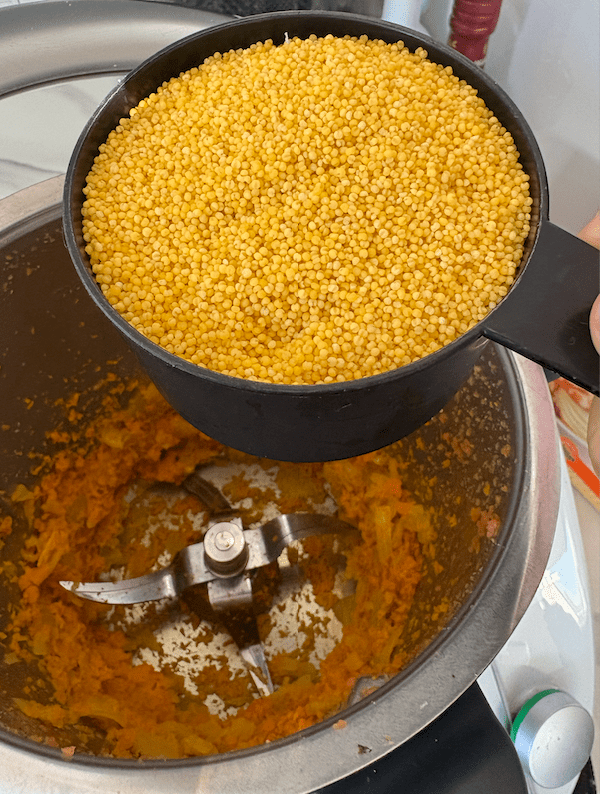
- 1 cup (100g) of dry millet grain
- 2 cups (200g) of water
- 1 bay leaf
- 1/2 cinnamon stick
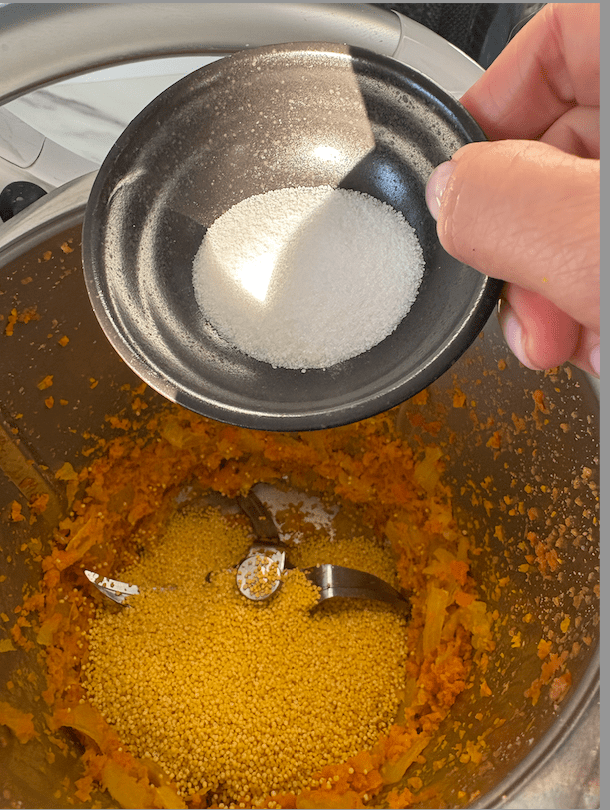
- 1 teaspoon salt
Method:
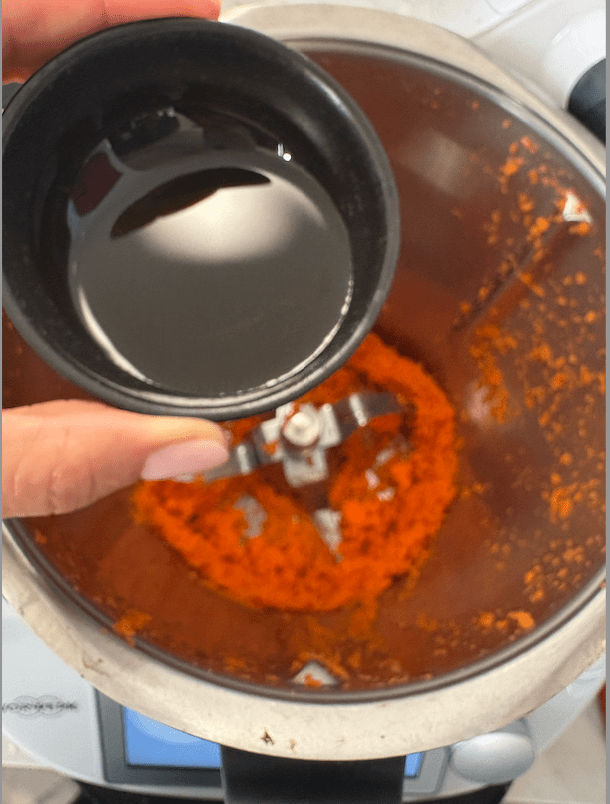
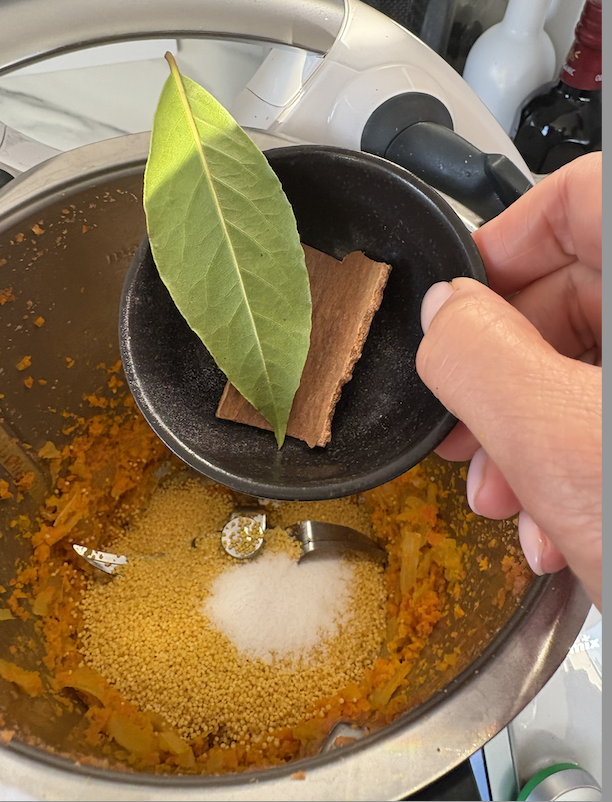
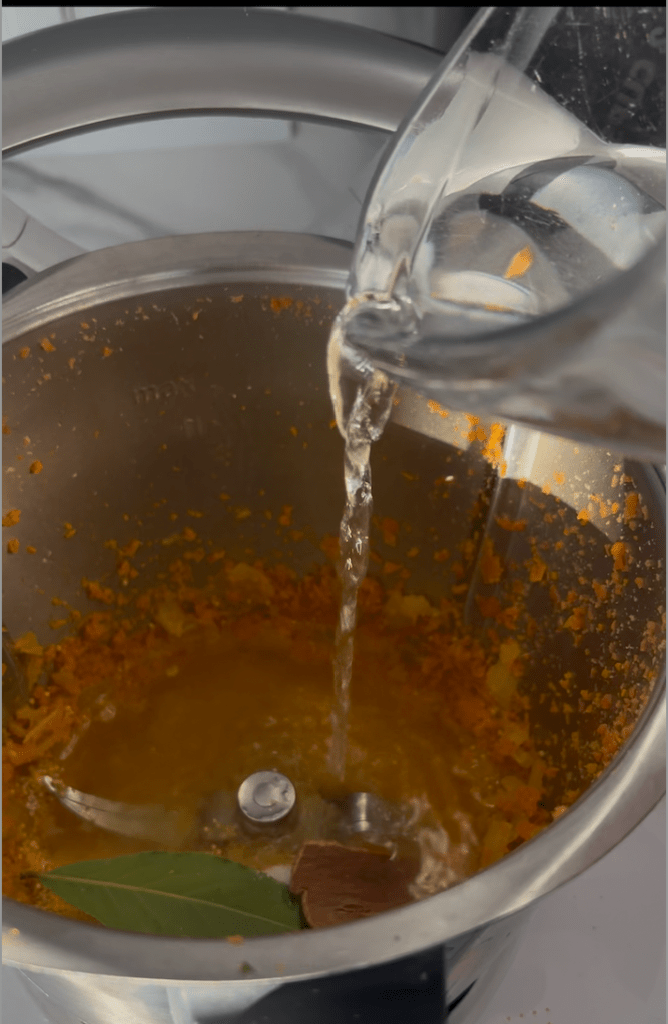
- Blend the carrots by chopping for 10 seconds and speed 10.
- Add the onion and olive oil and sautee for 5 mins at 120C (Varoma temp)
- Mix for 4 seconds at speed 4
- Add 1 cup of millet, 2 cups of water, 1 teaspoon salt, 1 bay leaf, 1/2 cinammon stick into the mixing bowl. Place the simmering basket onto mixing bowl lid and cook “Rice Cooker” mode.
- Transfer to a serving dish and fluff with a fork
I served the millet with baked cod and sautéed lacinato kale tonight, and to my suprise, both my husband and I agreed that the millet was the best part of the meal! Yep, the humble little grain outshined the perfectly cooked fish and the fancy, dark leafy greens.
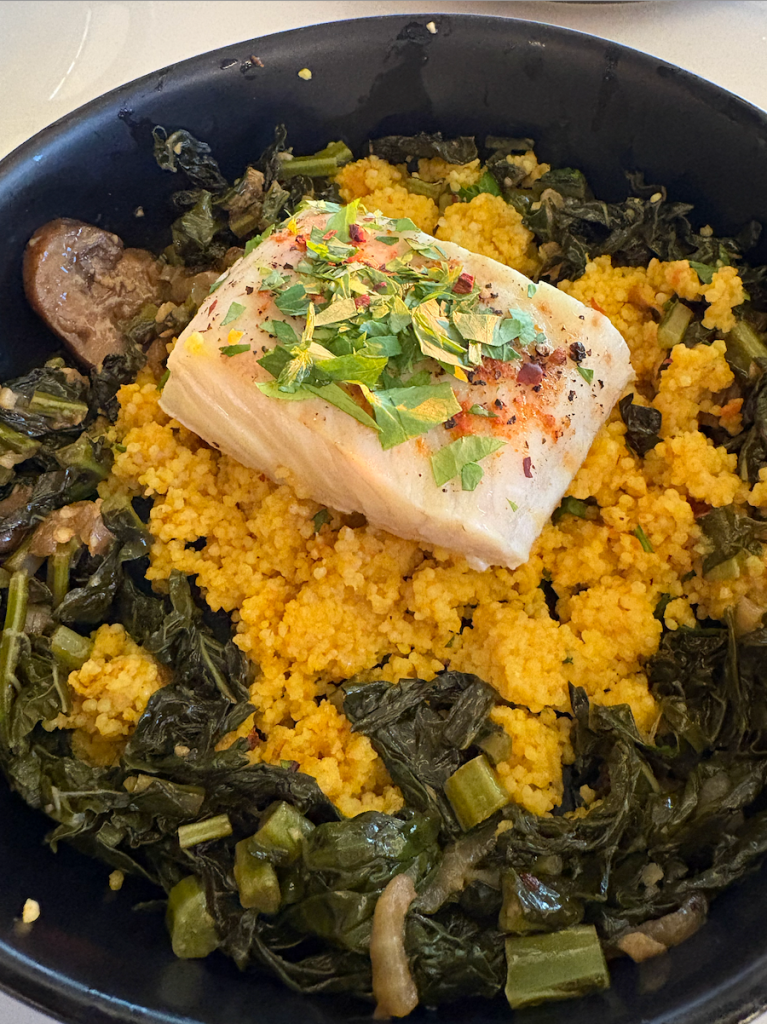
Ancient grains are nutrient-dense, flavorful, and deeply rooted in history. Whether you want to boost your protein intake, improve digestion, or simply enjoy a more wholesome diet, these grains can easily become a staple in your kitchen. I’m actually quite enthused to try more millet recipes – please share if you have a favourite way for preparing millet.
💬 What’s your favorite ancient grain? Have you tried cooking with quinoa, millet, or farro? Let me know in the comments below!
#AncientGrains #HealthyEating #WholeGrains #GlutenFreeLiving #Superfoods #PlantBased #WengsCulinaryAdventures #FoodHistory
 Weng's Culinary Adventures
Leave a comment