
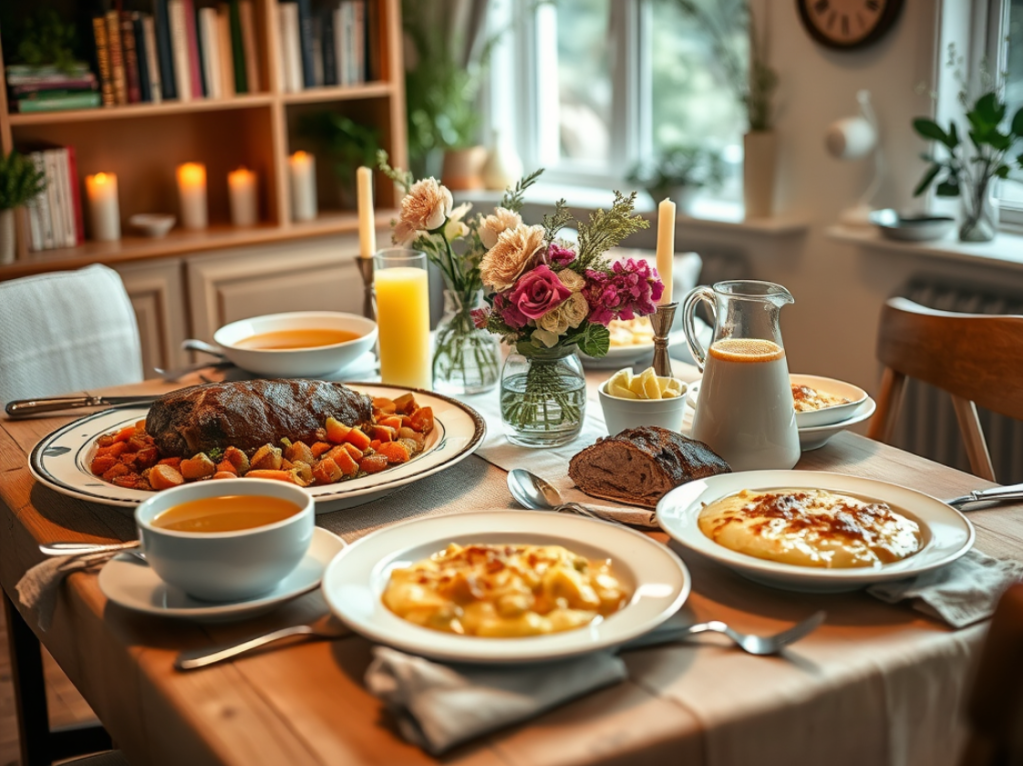
Ever since I moved to New York and found myself surrounded by many wonderful Jewish neighbors, I’ve wanted to learn more about Passover and its rich cultural significance. Passover, or Pesach, is one of the most meaningful celebrations in the Jewish calendar, commemorating the Israelites’ exodus from Egypt and their journey from slavery to freedom. Central to the celebration are the dietary rules that not only honor history but bring symbolic depth to every bite we share at the table. As I prepare to host my first-ever Passover meal, I’ve been diving deep into the traditions, history, and delicious foods that make this holiday so special.
Understanding the Dietary Rules of Passover
At the heart of Passover dietary customs is the avoidance of chametz — any food made from wheat, barley, rye, oats, or spelt that has been allowed to ferment and rise. For the eight days of Passover, traditional leavened bread, cakes, pastas, and many processed foods are off-limits. Instead, foods that are “kosher for Passover,” are eaten. This means they have been prepared according to specific guidelines that ensure no chametz is involved. There is a second class of foods, called kitenyot which some Jewish communities avoid during Passover. These include corn, rice, peas, lentils, and peanuts.
Interestingly, some foods that might seem questionable are actually allowed. Quinoa, for example, has been widely accepted as kosher for Passover. It is a seed, not a grain. It is therefore not related to the five forbidden grains. Additionally, quinoa was unknown in ancient times and therefore isn’t classified as kitniyot. However, it’s important to purchase quinoa that is certified kosher for Passover to ensure it hasn’t been contaminated with chametz.
Similarly, chocolate and cacao are allowed during Passover because cacao is a bean (specifically, the seed of the cacao tree) and not a grain. Pure cacao or chocolate made without chametz ingredients (like certain emulsifiers or additives) can be certified kosher for Passover. It is important, however, to choose chocolate products that carry a kosher-for-Passover certification to avoid any hidden chametz contamination.
But why this emphasis on unleavened food? The Torah tells us that when the Israelites fled Egypt, they had to leave in such haste that there was no time for their bread to rise. Eating only unleavened bread — Matzah — during Passover is a powerful way of reliving that experience and appreciating the preciousness of freedom.
My Passover Menu Plan
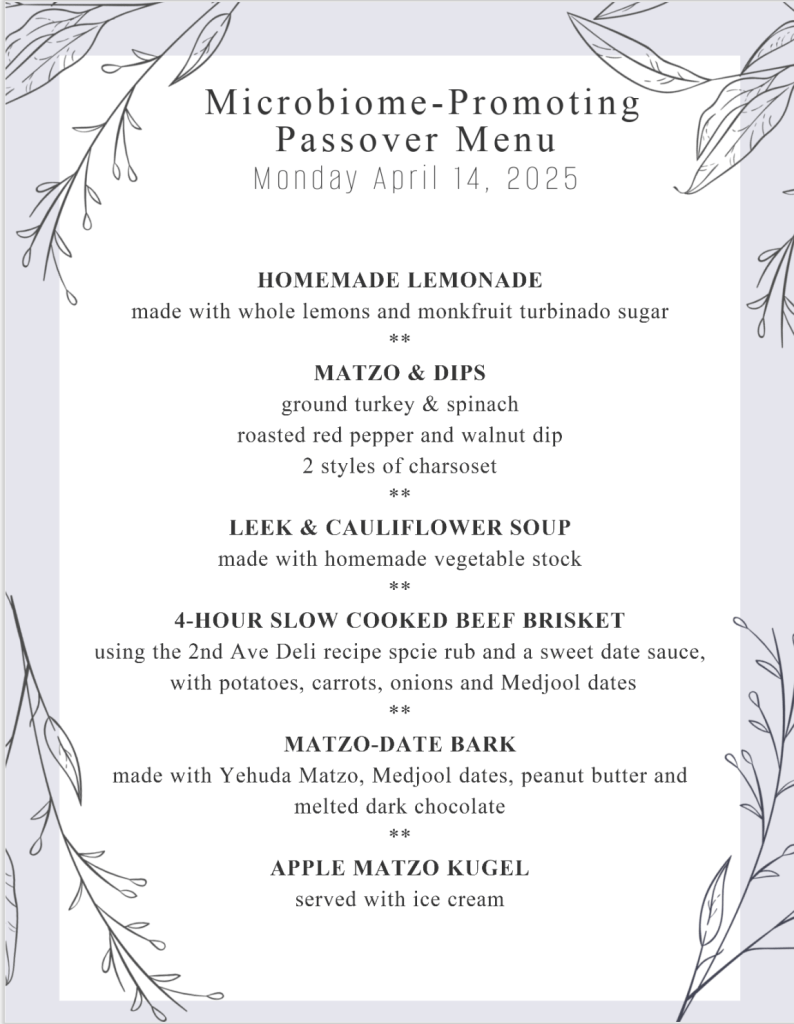
Here’s the menu I’m planning for my first Passover meal (not a Seder). For those unfamiliar, a Seder is a special ceremonial dinner on the first two nights of Passover that follows a set order of storytelling, symbolic foods, blessings, and songs—basically, a feast with a script! Since I’m simply hosting a meal during Passover and not a full Seder, there’s a bit more culinary freedom. I will be incorporating some symbolic foods including matzo, charoset (an apple and nut based dip made to resemble mortar), and brisket, but I will be mindful to keep dairy and meat separate. Of course, me being me, I’m also trying to make this as microbiome-friendly as possible—without my usual go-to’s of beans, legumes, and ancient grains (which, to my horror, are all chametz and off-limits). Wish me luck!
This menu reflects a balance between tradition and my culinary adventures. It aims to honor the holiday. It also offers a delicious, nutritious, and heartfelt meal for everyone at the table.
The Importance of Matzah (Matzo)
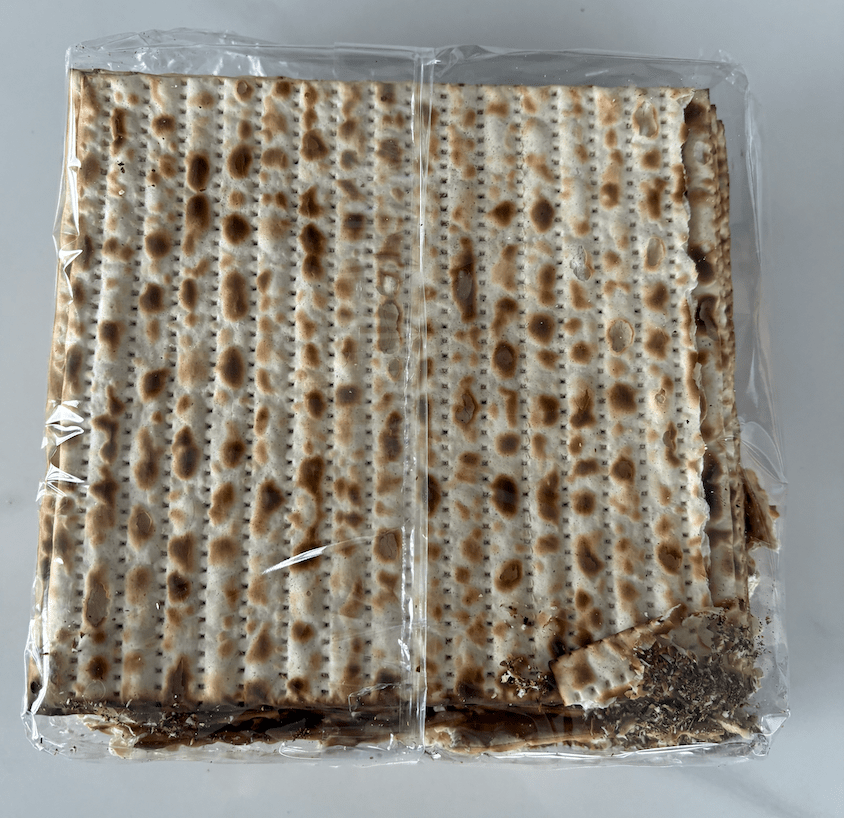
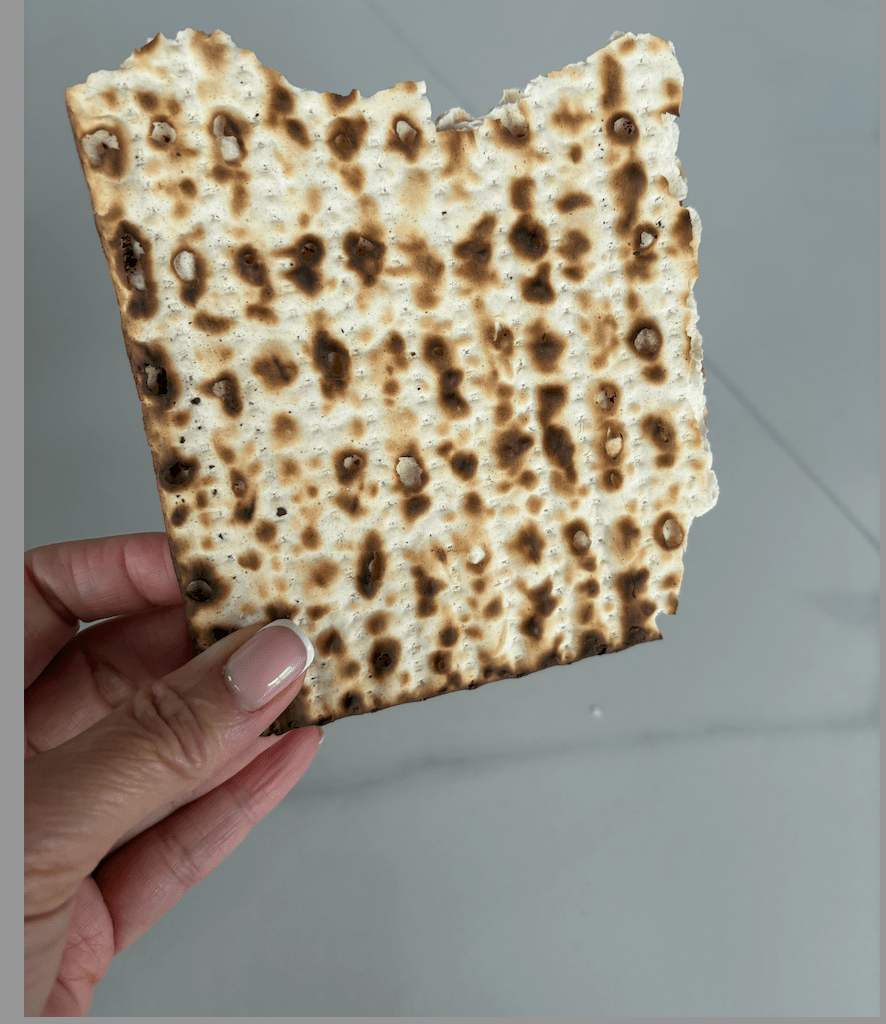
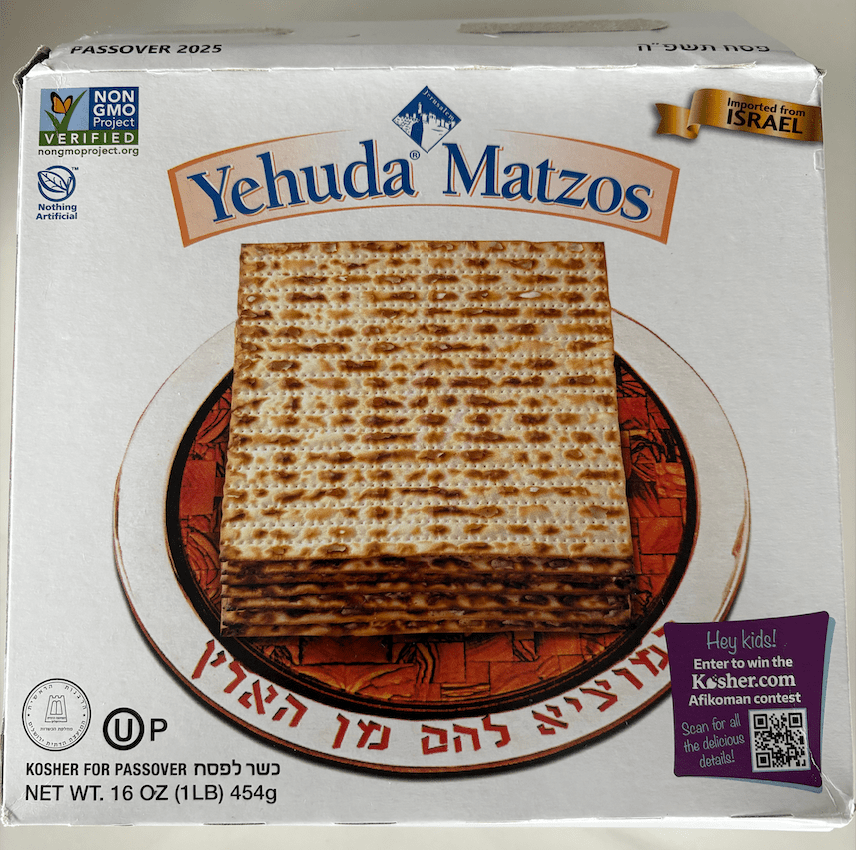
Matzah, also known more traditionally as Matzo, is more than just a flat cracker. It’s one of the most iconic and symbolic foods of Passover. It represents both the “bread of affliction” eaten in slavery and the “bread of freedom” eaten during liberation. Sharing Matzah during this season provides a meaningful connection to an ancient journey. It also shows deep respect for the resilience of the human spirit. Fun fact: Matzah is made in 18 minutes or less. The timing starts the moment water touches the flour. This process avoids any chance of fermentation.
In many homes, Matzah isn’t just eaten plain. It is incorporated into all sorts of dishes. These include Matzah ball soup, Matzah brei (a kind of scrambled matzah pancake), and even Matzah-based lasagnas and casseroles. Its versatility makes it a foundation for so many Passover meals. Personally, I’m planning to incorporate them into my appetizers and making an apple matzah kugel.
Why Beef Brisket Shines at Passover
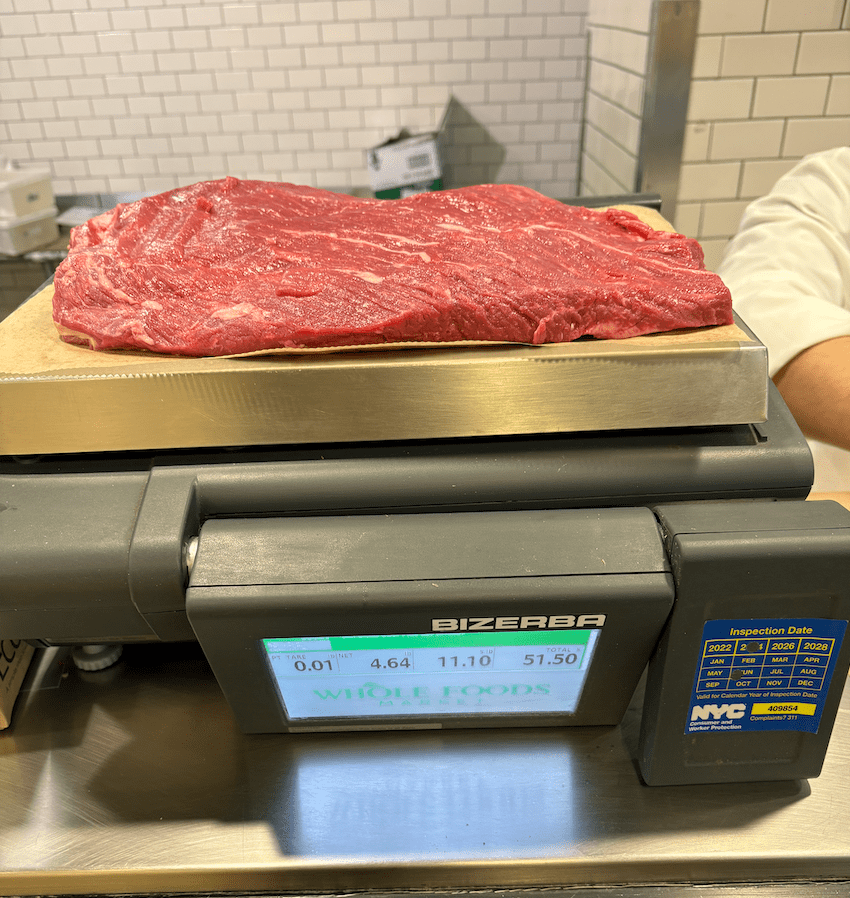
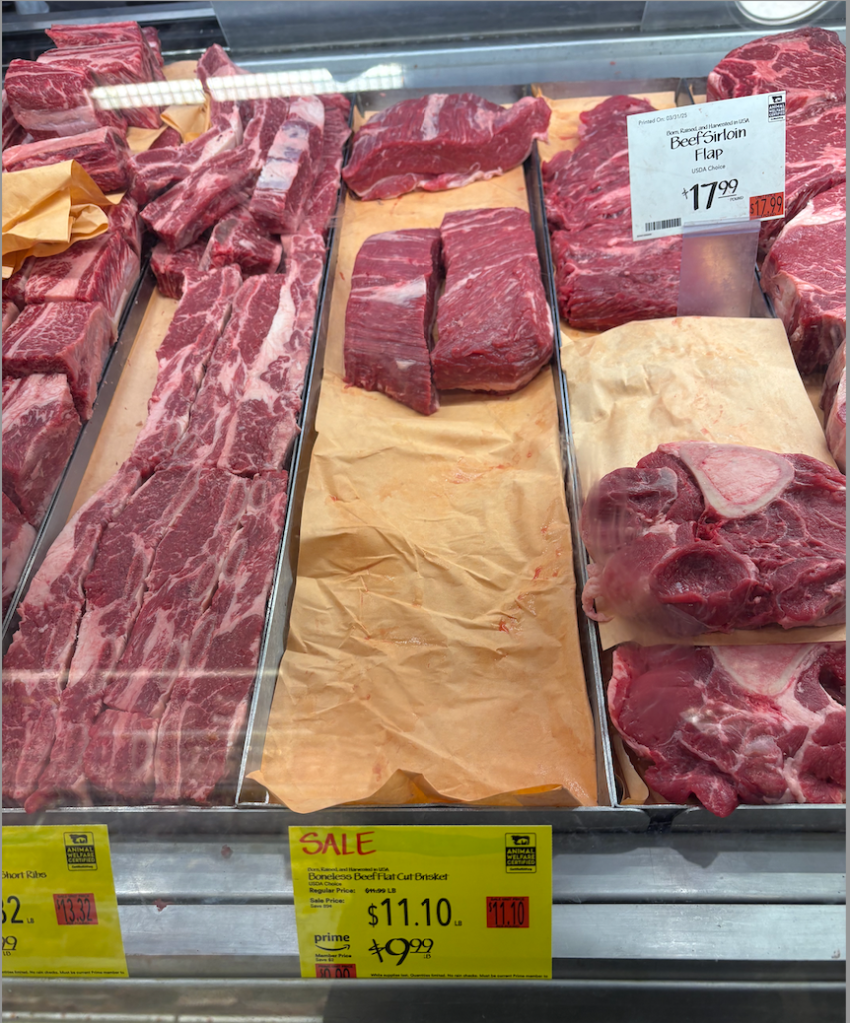
When it came time to plan the menu, one thing became clear: beef brisket is a must-have. But why is brisket so beloved at Passover?
Historically, brisket was a practical choice for Jewish families in Eastern Europe. It was a more affordable cut of meat. The meat was tough and fibrous. When slow-cooked with love and patience, it transformed into something tender, flavorful, and celebratory. This resonated beautifully with the Passover theme of transformation — from hardship to redemption.
Brisket also fits the kosher laws beautifully. When prepared correctly, it aligns with the requirement to keep meat and dairy separate (you won’t find a creamy brisket sauce here!). Traditional Passover brisket is often braised with onions, carrots, and tomatoes. Sometimes sweet fruits like prunes, dates, or apricots are added. This creates a dish that is both hearty and soul-warming. It is exactly what a Passover meal calls for. I was told that in New York, the Kosher delis are famous for making their deli-style briskets, and I’ve decided to try out the famous Second Avenue Deli’s brisket recipe.
Confession: this will be my first time ever cooking—and eating—beef brisket. Wish me luck! I have my Le Creuset dutch oven ready for the four-hour slow cook, my Wholefoods grocery list, and a very high level of both culinary and dining excitement.
Luckily, my neighbors are not strictly kosher, which gives me a little more flexibility in the kitchen. Traditionally, in a kosher kitchen, meat and dairy must be kept entirely separate. This requires different dishes, pots, pans, and even separate sinks if possible. Additionally, all ingredients must be certified kosher. During Passover, there’s an added layer: avoiding chametz (leavened grains) completely. Since my guests are more relaxed about these rules, it takes a bit of pressure off and allows me to focus on honoring the spirit of the holiday while still keeping things welcoming (and hopefully delicious!).
A New Chapter at My Table
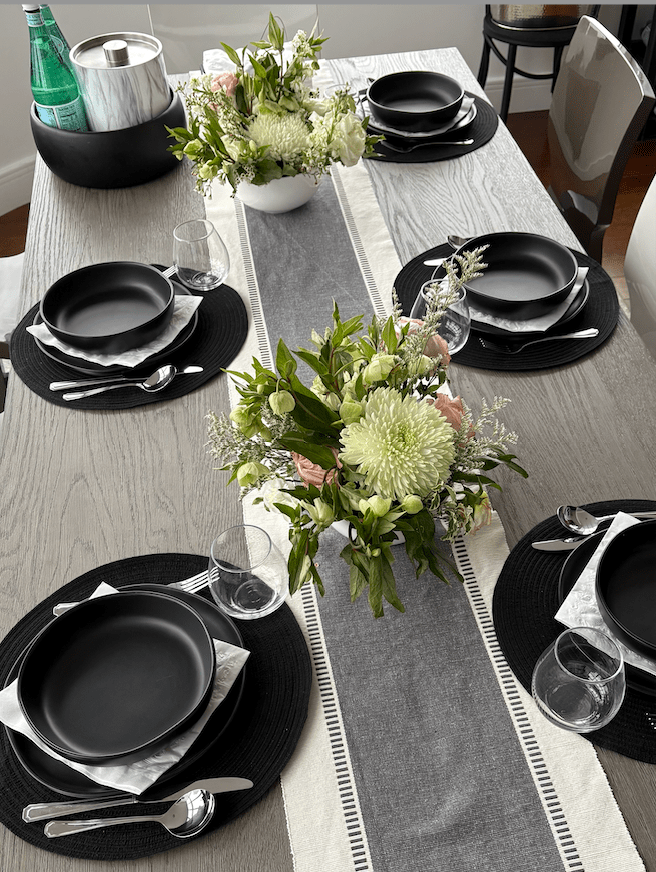

Hosting my first Passover meal feels both exciting and deeply meaningful. Since I moved to New York, I have connected with my Jewish neighbors. I’ve become eager to learn more about their traditions and celebrations. I am not Jewish. However, I deeply value community and respect for different cultures. It feels like a true privilege to honor these beautiful customs, stories and food.
As I set the table, curate my matzah dishes, and prepare the brisket, I reflect on the ancient journey from slavery to freedom. I’m reminded that food can be one of the most powerful ways to bring people together. This meal is my way of showing gratitude, fostering connection, and celebrating the hope and resilience that Passover teaches.
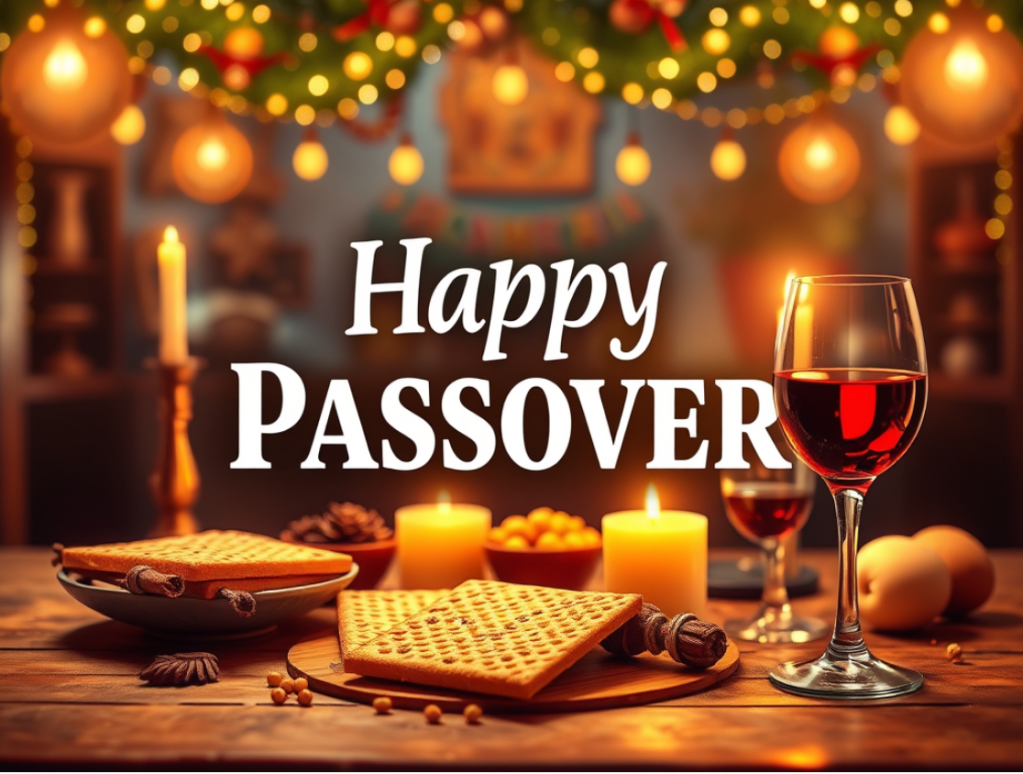
I can’t wait to share this journey (and my recipes!) with you all on my Instagram page. Chag Pesach Sameach — Happy Passover!


 Weng's Culinary Adventures
Leave a reply to phenomenaldbb2f13c55 Cancel reply