

My journey with food and nutrition has been both professional and deeply personal. Medical school equipped me with a robust understanding of human physiology and disease mechanisms. Unfortunately, it left significant gaps in practical nutrition education. This was especially true when it came to dietary fats.
For years, I followed the conventional wisdom of low-fat diets. Like many of my peers, I believed that fat was the enemy of heart health and weight management. Saturated fats were demonized, while anything with a “low-fat” label seemed like a safer choice. I started exploring food and nutrition more deeply during my own health journey. What I discovered is how nuanced the science of fats truly is.
Fats: The Misunderstood Macro
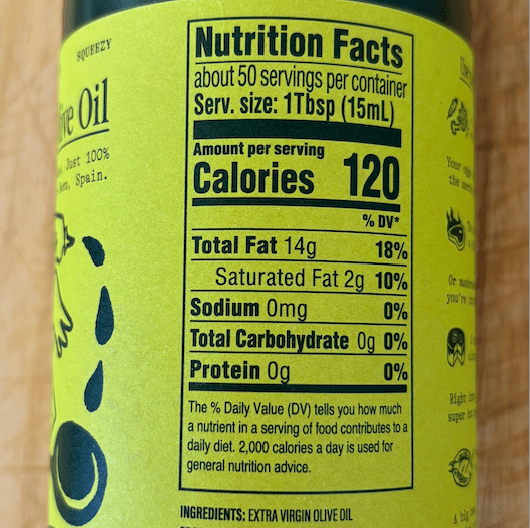
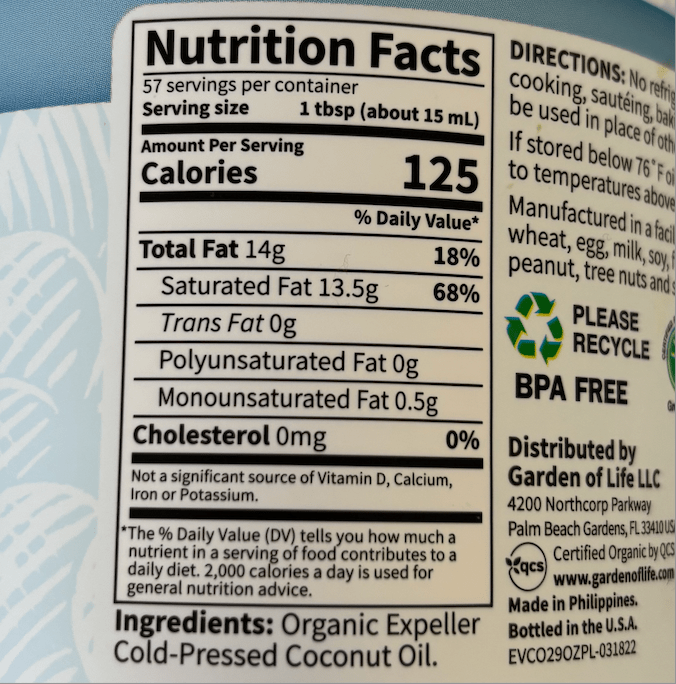

Medical training often emphasizes biochemistry and pathology. However, it doesn’t always address the nuances of how nutrients affect our bodies in real-life scenarios. Fats, for example, are far from a monolithic category. They encompass:
- Saturated fats: Found in butter, ghee, coconut oil, and animal products.
- Monounsaturated fats: The star of the Mediterranean diet, abundant in olive oil, avocado, and nuts.
- Polyunsaturated fats: Essential fats like omega-3s, found in fatty fish, flaxseeds, and walnuts.
- Trans fats: Artificially created fats found in processed foods, which are unequivocally harmful. Trans fat also occurs naturally in small amounts in ruminant animal products, such as beef, butter, cheese, and lamb
Medical school may have taught me how these fats differ in their chemical structure. What I didn’t learn was how they differ in their effects on inflammation, metabolism, and overall health. For instance, I was taught to minimize saturated fat. However, new research highlights its nuanced role when it is part of a balanced diet.
Classes of Fats: A Quick Overview
- Saturated Fats:
- Found in animal products (butter, lard) and tropical oils (coconut oil, palm oil).
- Solid at room temperature.
- They were once believed to be a primary contributor to heart disease. Current research suggests they may be neutral in moderation within a balanced diet. (Valk 2022, Cortese 2022, Teicholz 2023)
- Polyunsaturated Fats:
- Includes essential fatty acids like omega-6 (linoleic acid) and omega-3 (alpha-linolenic acid).
- Found in oils like flaxseed, sunflower, and soybean.
- These fats are liquid at room temperature and play a role in inflammation regulation and brain health.
- Monounsaturated Fats:
- Prominent in olive oil, avocado, and nuts.
- Liquid at room temperature, they are known for their cardiovascular benefits and are a key component of the Mediterranean diet.
- Trans Fats:
- Artificial trans fat is created when oil is partially hydrogenated. Until recently, it was ubiquitous in processed foods. It was the main fat used for fast foods, margarine, frozen foods, snack foods, and most processed foods (Amico 2021).
- Trans fat bans started in Denmark in 2004, then in the US in 2018, after multiple studies found eating trans fats was linked to significantly high risks for heart disease, death from heart disease and death from any cause (de Sousa 2015)
- The World Health Organization recommends mandatory bans on the production/ use of partially hydrogenated oils worldwide.
A Visual Comparison of Cooking Oils

(Image source: Canola Council of Canada)
The chart above illustrates the composition of various cooking oils. It details the proportions of saturated fats, polyunsaturated fats, and monounsaturated fats.
- Coconut oil and butter are high in saturated fats, with coconut oil having the highest percentage.
- Olive oil and peanut oil are predominantly monounsaturated fats, making them staples in heart-healthy diets.
- Soybean oil and corn oil have high percentages of polyunsaturated fats, especially omega-6 fatty acids, with trace amounts of omega-3s.
- Flaxseed oil stands out as a significant source of alpha-linolenic acid (an omega-3 essential fatty acids).
Rethinking Nutrition for Mental Health

As a mental health researcher, I’ve also come to appreciate the critical role of fats in brain health. Omega-3 fatty acids, in particular, are essential for cognitive function and emotional well-being. Yet, medical school barely skimmed the surface of how nutrition supports mental health. Incorporating fatty fish, chia seeds, and walnuts into my family’s diet has become a priority. The gut-brain axis is a truly fascinating area. It is also a significant topic. It well deserves a dedicated deep dive in a future blog post. Stay tuned for that.
My Kitchen as a Laboratory
My culinary explorations have spanned from Malaysian comfort foods to dabbling in keto. I explored low-carb and low-fat diets. I’ve even tried (unsuccessfully) to go totally plant-based. These experiences became my personal laboratory for understanding fats. Experimenting with fats in my cooking has taught me:
- Flavor Matters: Fats are carriers of flavor. They enhance the taste and texture of food, making meals satisfying. Cooking with butter or ghee brings out flavors that plant-based oils can not replicate. Using coconut milk in curries honors my Malaysian roots and makes those meals more authentic.
- Satiety Boosters: Unlike carbohydrates, fats contribute to long-lasting satiety, a concept overlooked in many traditional diet plans.
- Cooking Versatility: With my history of high cholesterol, I have experimented with ingredients to use less saturated fats. For example I found that making homemade cashew cream is a great replacement for coconut cream especially in curries. Or halving the amount of butter in my banana bread. I replace it with grated apples to give it moisture whilst retaining the buttery flavour.
Bringing It All Together

As a stay-at-home mum and food blogger, I’ve come to embrace the power of fats in my cooking. They’re more than mere nutrients—they’re a bridge connecting culture, flavour, and health. I recall one particularly memorable misadventure from my early married life: attempting to make laksa with low-fat soy milk. Since then, I’ve learned that there are plenty of ways to make laksa healthier. You can load up on seafood and fresh vegetables. Making your own fresh laksa paste is another option. Or have smaller serves of rice noodles. But the most important lesson? You’ve simply got to use coconut milk, or it just isn’t laksa.
If I could rewrite the nutrition curriculum for medical students, I’d make sure it highlights the diversity and importance of dietary fats. Beyond clinical guidelines and macro nutrients, future doctors need practical, evidence-based knowledge about how food impacts their patients’ lives.
Fats have now found their rightful place in my culinary adventures. I hope this post inspires you to rethink fats. I see them not as something to fear but as essential allies. Stay tuned for my upcoming posts taking deeper dives into my two favourite cooking oils: canola and olive.
References
- Amico, A., Wootan, M. G., Jacobson, M. F., Leung, C., & Willett, A. W. (2021). The Demise of Artificial Trans Fat: A History of a Public Health Achievement. The Milbank quarterly, 99(3), 746–770
- Cortese F. (2022). Saturated fatty acids: should really be considered as dietary cardiovascular risk factors or it is time to change perspective?. European journal of preventive cardiology, 29(18), 2386–2388
- de Souza, R. J., Mente, A., Maroleanu, A., Cozma, A. I., Ha, V., Kishibe, T., Uleryk, E., Budylowski, P., Schünemann, H., Beyene, J., & Anand, S. S. (2015). Intake of saturated and trans unsaturated fatty acids and risk of all cause mortality, cardiovascular disease, and type 2 diabetes: systematic review and meta-analysis of observational studies. BMJ (Clinical research ed.), 351, h3978
- Teicholz N. (2023). A short history of saturated fat: the making and unmaking of a scientific consensus. Current opinion in endocrinology, diabetes, and obesity, 30(1), 65–71
- Valk, R., Hammill, J., & Grip, J. (2022). Saturated fat: villain and bogeyman in the development of cardiovascular disease?. European journal of preventive cardiology, 29(18), 2312–2321.


Leave a Reply