

When it comes to choosing a cooking oil, the options can be overwhelming. Personally, I rely on canola oil for my Asian dishes because of its neutral flavor and decent smoke point. Until recently, I didn’t know much about it. So, I took a deep dive into all things canola.
What’s The Difference Between Rapeseed and Canola?(The Canola Origin Story)
Canola is a ‘cultivar’ (a cultivated variety produced by selective breeding) of the rapeseed plant. Rapeseed is a small flowering plant derived from the same plant family as cabbage, broccoli, Brussels sprouts and mustard. Both canola and rapeseed produce small yellow flowers, which develop into pods resembling pea pods. Each pod contains tiny black seeds which are high in oil.
Canadian scientists cultivated the canola plant in the 1960s and 70s. Their goal was to address Canada’s need for a homegrown oil. They selected rapeseed populations with low glucosinolates and erucic acid levels (believed to be toxic to humans in high levels). The term “canola” is a contraction of “Canadian oil”. The “-ola” was added as part of a branding trend at the time (like Motorola, Crayola). Canola is therefore a food grade version of rapeseed oil, and is sometimes called low erucic acid rapeseed (LEAR). Under regulation, for an oil to be called ‘Canola’ it must contain less than 2% erucic acid.
Further plant cultivation subsequently lead to the development of high oleic canola oil. High oleic canola oil is mainly used in the food industry because of its excellent stability for commercial frying.
Regular rapeseed oil is industrially used in bio-diesel production, as a lubricant for machinery, and for animal feed.
Source: Canola council of Canada
How Does Canola Oil Compare to Other Cooking Oils?

Image source: Canola council of Canada
Nutritional Profile
- Canola Oil: Low in saturated fat, high in monounsaturated fat (particularly oleic acid), and contains omega-3 fatty acids (alpha-linolenic acid).
- Olive Oil: High in heart-healthy monounsaturated fats (especially extra virgin olive oil), with a robust flavor ideal for dressings and light sautés.
- Coconut Oil: Primarily saturated fat, which remains controversial for heart health; best used occasionally for flavor rather than as a staple fat source.
- Vegetable/Seed Oils (e.g., soybean, corn, sunflower): Similar to canola in neutral flavor, but often have higher omega-6 content and may be more heavily processed.
Smoke Point
- Canola Oil: Ranges around 400°F (204°C), suitable for sautéing, stir-frying, and baking.
- Olive Oil: Varies by type. Extra virgin olive oil has a lower smoke point (~375°F/190°C), while light olive oil can go higher (up to ~465°F/240°C).
- Coconut Oil: Around 350°F (177°C), which is relatively low—better for medium-heat cooking or baking.
- Vegetable/Seed Oils: Generally in the same range or higher than canola, but can degrade more easily if heated repeatedly at very high temperatures.
Flavor and Versatility
- Canola Oil: Neutral taste, making it versatile for everything from frying to baking without imparting a strong flavor.
- Olive Oil: Highly flavorful (especially extra virgin), ideal for salads, dipping, and low- to medium-heat cooking.
- Coconut Oil: Adds a distinct coconut flavor and aroma; often used in tropical or dessert recipes and south-east Asian cuisine.
- Vegetable/Seed Oils: Generally neutral, but quality and flavor can vary depending on the specific oil and brand.
Price and Availability
- Canola Oil: Affordable and widely available in most grocery stores.
- Olive Oil: Quality extra virgin olive oil can be pricier, but there are budget-friendly refined options.
- Coconut Oil: Tends to be more expensive than canola, though prices vary by brand and region.
- Vegetable/Seed Oils: Typically priced similarly to canola, but can vary by type (e.g., soybean vs. sunflower).
Health Considerations
- Canola Oil: It’s low saturated fat content is often recommended by heart-health organizations, but some people are concerned about heavy processing and GMOs. A meta analysis found canola oil significantly improves cardio-metabolic risk factors compared to other edible oils (Amiri 2020)
- Olive Oil: Is consistently praised for its potential cardiovascular benefits, especially when high-quality extra virgin olive oil is consumed in moderation.
- Coconut Oil: Debates persist over its high saturated fat; some studies suggest minimal negative impact when consumed in small amounts as part of a balanced diet.
- Vegetable/Seed Oils: Similar processing concerns as canola oil and a higher omega-6 to omega-3 ratio, which may contribute to inflammation if not balanced with omega-3 sources.
Types of Canola Oil
Unlike olive oil, which has well-known designations (like extra virgin and virgin), canola oil doesn’t follow a strict, universal “grade” system. Instead, canola oils are often categorized by their production methods, level of refinement, and specific formulations. Below are some common types and labels you might see:
1. Refined, Bleached, and Deodorized (RBD) Canola Oil
- Description: This is the most common form of canola oil on the market.
- Processing: Undergoes multiple steps, including refining, bleaching, and deodorizing, to create a neutral-tasting, stable oil.
- Uses: Ideal for high-heat cooking, frying, and baking due to its higher smoke point and mild flavor.
2. Expeller-Pressed or Cold-Pressed Canola Oil
- Description: Extracted without chemical solvents (like hexane).
- Processing: Mechanically pressed (expeller) or pressed at lower temperatures (cold-pressed) to preserve some natural flavors and nutrients.
- Uses: Has a more pronounced taste and may retain slightly higher nutrient levels. Typically costs more due to lower yield and more labor-intensive processing.
3. Virgin Canola Oil
- Description: Not officially regulated in the same way as “extra virgin” olive oil, but some manufacturers use “virgin” to indicate minimal processing.
- Processing: Pressed from the first extraction without high heat or chemicals, so it may have a stronger flavor and color.
- Uses: Good for dressings or light sautéing where you can appreciate its taste.
4. High-Oleic Canola Oil
- Description: Bred to be higher in monounsaturated (oleic) fatty acids.
- Processing: Usually still refined, but the seed itself is genetically developed to provide a healthier fat profile and longer shelf life.
- Uses: Often used in commercial frying and packaged foods because it’s more heat-stable and resists oxidation.
5. Organic or Non-GMO Canola Oil
- Description: Sourced from canola plants grown without synthetic fertilizers, pesticides, or genetically modified organisms (GMOs).
- Processing: Often expeller- or cold-pressed to maintain “organic” certification.
- Uses: Popular among consumers looking to avoid conventional farming practices or GMOs.
Seed Oil Controversies
Seed oils like canola, corn, cottonseed, soybean, sunflower, safflower, grapeseed, and rice bran oils have garnered criticism especially amongst alternative health circles, wellness influencers and even politicians who have termed them “the hateful eight”. Here is a summary of the debate:
- Omega-6 & Inflammation
- Critics: High omega-6 fatty acid content might contribute to inflammation, especially when not balanced with omega-3s.
- Proponents: Research shows that moderate use of polyunsaturated fats (including omega-6) can benefit heart health when replacing saturated or trans fats (Hayes 2016)
- Processing & Refinement
- Critics: Industrial methods involve high heat and chemical solvents, which can lead to oxidation and harmful byproducts.
- Proponents: Refined oils have a higher smoke point and neutral flavor. Experts say they’re safe and stable if used correctly.
- Oxidative Stress & Rancidity
- Critics: Polyunsaturated fats can oxidize easily, producing potentially damaging compounds—especially with repeated high-heat cooking.
- Proponents: Proper temperatures and storage help minimize oxidation. Vitamin E and antioxidants in some seed oils offer protective benefits.
- Dietary Balance & Context
- Critics: Seed oils dominate Western diets, potentially displacing healthier fats (like olive oil, nuts, seeds, or omega-3–rich fish).
- Proponents: Nutritionists emphasize overall diet quality—whole foods, fruits, and vegetables—and see moderate seed oil use as generally safe.
- Public Health vs. Individual Preference
- Critics: Some influencers call seed oils “inflammatory” or “toxic,” suggesting alternatives like butter, coconut oil, or extra virgin olive oil.
- Proponents: Health organizations recommend unsaturated fats (including seed oils) over saturated fats for heart health. Labeling any one oil as “toxic” can be misleading without considering how much and how often it’s used.
In essence, the debate about seed oils hinges on finding the right fatty acid balance. It also involves considering the potential effects of industrial processing and oxidation. While some outspoken groups advocate eliminating seed oils entirely, most nutrition experts support moderate use—especially when these oils replace less healthy fats high in saturated fat, such as butter, lard, or tallow.
Current guidelines encourage swapping saturated fats for unsaturated fats, including omega-6. Both the American Heart Association and the Institute of Medicine recommend that 5–10% of daily calories come from omega-6. On average, Americans consume about 10 times more omega-6 than omega-3, which can negatively impact heart health if omega-3 intake remains low. Rather than cutting back on omega-6, the key is to boost omega-3—an approach often seen in Mediterranean-style eating patterns (Blasbalg, 2011).
My Takeaways
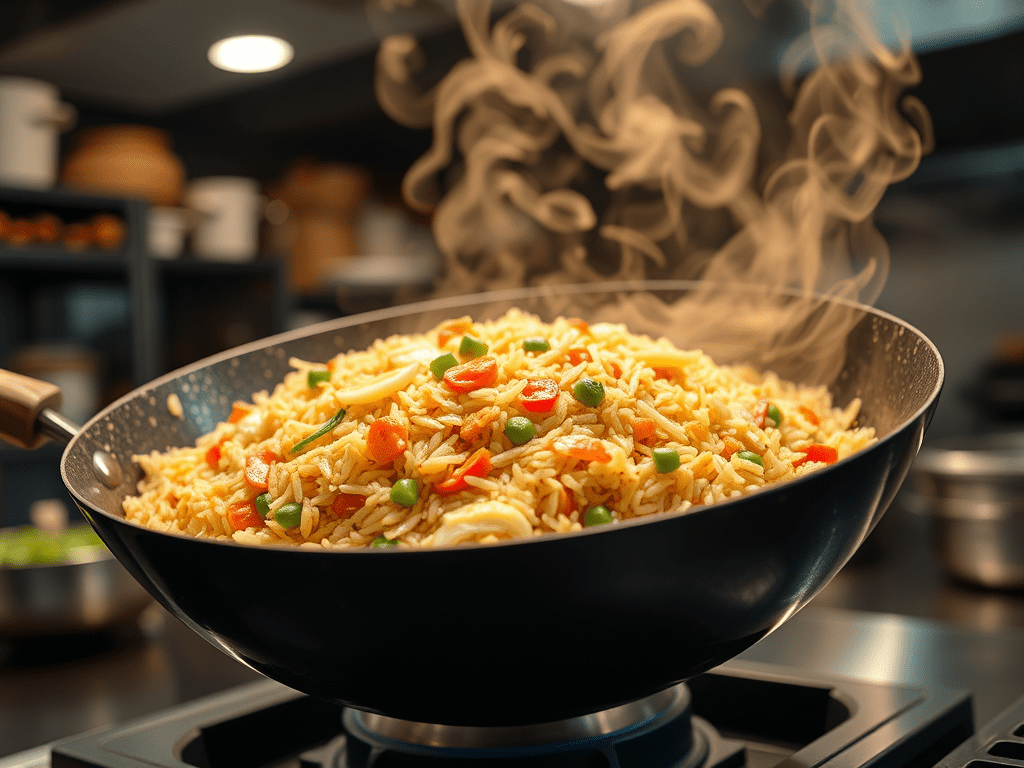


For as long as I can remember, canola oil has been a cooking staple. From my parent’s kitchen where I was first introduced to cooking to my own. I’d reach for it whenever I was making a stir-fry, fried rice or frying an egg. It was convenient, affordable, and seemed to do the job well—so I never really thought to look deeper.
Following my deep dive, I discovered that canola oil isn’t just a neutral-flavoured oil with a high smoke point. It has its own story—from how it’s produced to its unique fatty acid profile. It struck me that, like anything else, canola oil has its pros and cons.
What Have I Learnt?
- Reading up on the production process, I became aware of concerns about refining and the use of GMOs.
- I was surprised to find that canola oil contains the least saturated fat of all common cooking oils. Before, I hadn’t realized how saturated fat levels in other vegetable oils could vary so much
- Another revelation was the need to balance omega-6 fats—which can be pro-inflammatory—with adequate omega-3 intake to support better overall health.
What changes have I made?
Canola oil still plays a big part in my cooking, but I am a lot more thoughtful about it. I now use expeller-pressed, non GMO modified canola oil. It is more expensive, but I believe in quality over quantity. I am much more deliberate about having sufficient omega-3 to balance my omega-6 in my diet. I do this by using more olive oil, eating oily fish weekly, and throwing in nuts, chia seeds and flax seeds into my homemade granola and my delicious but nutritious banana bread.
References
- Amiri, M., Raeisi-Dehkordi, H., Sarrafzadegan, N., Forbes, S. C., & Salehi-Abargouei, A. (2020). The effects of Canola oil on cardiovascular risk factors: A systematic review and meta-analysis with dose-response analysis of controlled clinical trials. Nutrition, metabolism, and cardiovascular diseases : NMCD, 30(12), 2133–2145.
- Blasbalg, T. L., Hibbeln, J. R., Ramsden, C. E., Majchrzak, S. F., & Rawlings, R. R. (2011). Changes in consumption of omega-3 and omega-6 fatty acids in the United States during the 20th century. The American journal of clinical nutrition, 93(5), 950–962.
- Hayes, J., & Benson, G. (2016). What the Latest Evidence Tells Us About Fat and Cardiovascular Health. Diabetes spectrum : a publication of the American Diabetes Association, 29(3), 171–175.

 Weng's Culinary Adventures
Leave a comment